

Selecting тот баспайтын болат for an architectural project is not simply a matter of comparing the price of 304, 316, and 430.
The wrong grade can increase staining, corrosion, maintenance, site rework, and replacement costs. At the same time, specifying a higher grade than the project requires can unnecessarily increase the initial budget.
For architects, contractors, fabricators, and procurement teams, the better approach is to evaluate installation environment, product design, fabrication requirements, surface finish, maintenance, and expected service life together.
This guide explains how to select 304, 316, or 430 stainless steel for architectural metalwork and what information buyers should prepare before requesting a quotation.
Quick Procurement Comparison: 304 vs 316 vs 430
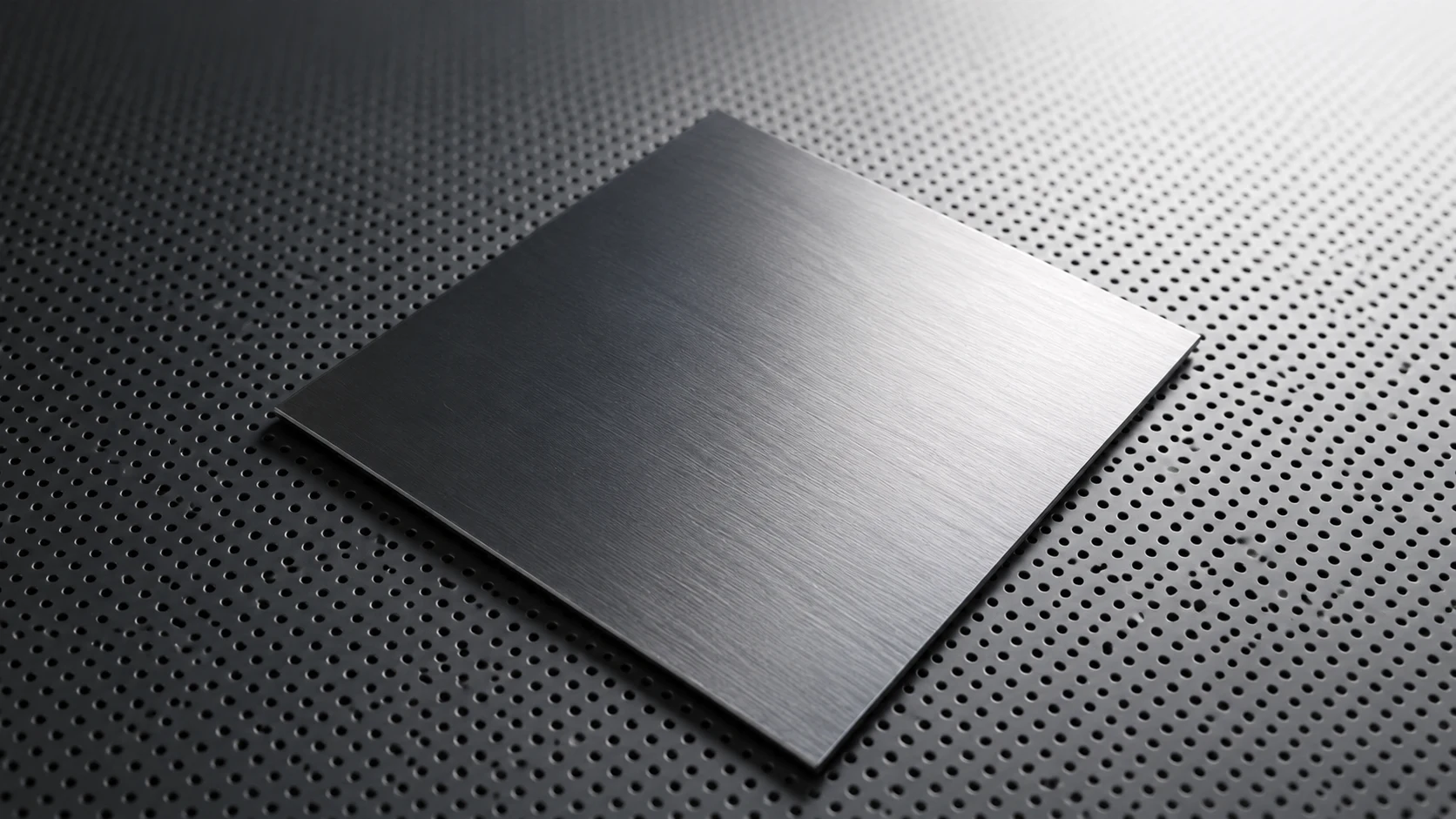
| Factor | 304 | 316 / 316L | 430 |
| Corrosion resistance | Good | Higher | Lower |
| Typical environment | Interior and mild exterior | Humid, wet, coastal or chloride-exposed | Low-corrosion interior |
| Fabrication | Excellent | Excellent | More application-dependent |
| Decorative finishes | Excellent | Excellent | Good |
| Relative cost | Medium | Higher | Usually lower |
| Procurement logic | General-purpose choice | Exposure-driven upgrade | Budget-driven interior option |
The table provides a starting point only. Final material selection should be based on the actual project environment and fabrication requirements.
When Should Buyers Specify 304 Stainless Steel?
Grade 304 is often the practical starting point for architectural stainless steel because it combines corrosion resistance, fabrication flexibility, decorative appearance, and reasonable cost.
It is widely used for:
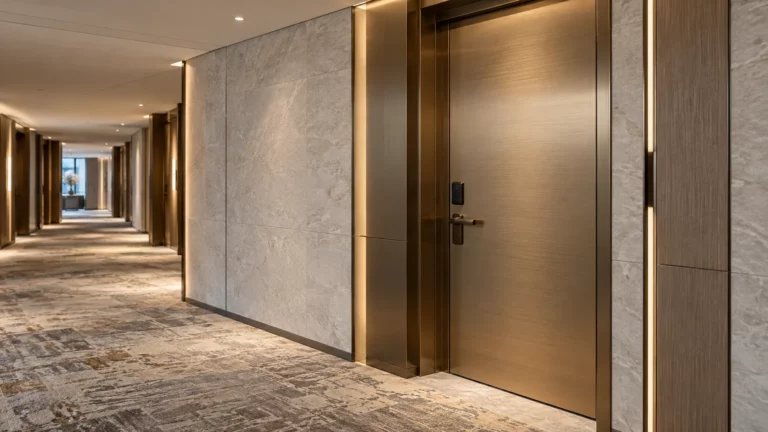
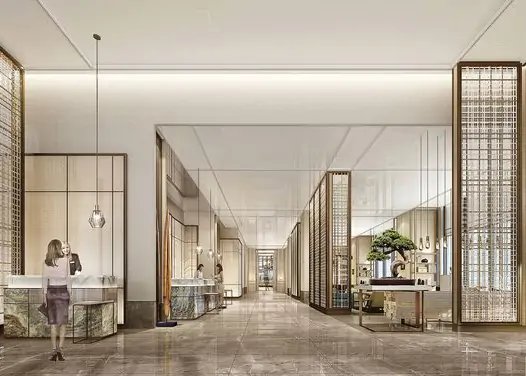
- hotel lobby wall panels;
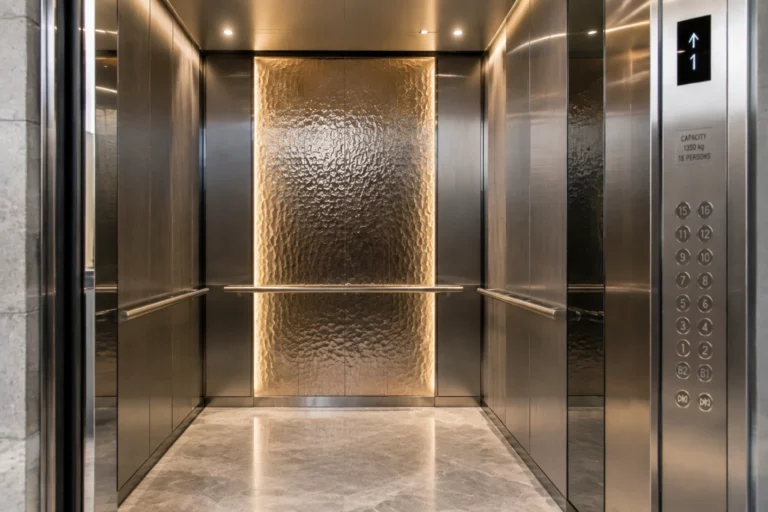
- elevator interiors;
- door frames and partitions;
- decorative trims;
- furniture;
- handrails;
- interior cladding;
- selected mild exterior applications.
304 can be cut, bent, welded, polished, and formed into complex architectural components. It also works with common decorative finishes including brushed, hairline, satin, mirror, etched, embossed, water-ripple, antique, and PVD-colored surfaces.
Procurement Decision
For a controlled indoor hotel, commercial, retail, or residential environment, 304 is usually the first grade to evaluate.
However, buyers should not specify 304 automatically for every exterior application. Salt, chloride exposure, persistent humidity, industrial pollution, sheltered surfaces, and limited cleaning can increase corrosion risk.
Where extensive welding is involved, 304L may be considered depending on the project specification, thickness, welding procedure, and fabrication requirements.
When Is 316 or 316L Worth the Higher Cost?
316 contains molybdenum and provides higher corrosion resistance than 304, particularly where chloride exposure is a concern.
It is commonly considered for:
- coastal hotels and resorts;
- exterior railings;
- façade components;
- bathrooms and wet areas;
- pool-adjacent applications;
- humid environments;
- locations exposed to salt or more aggressive conditions.
Procurement Decision
The question should not simply be:
“How much more does 316 cost?”
A better question is:
“What would corrosion, maintenance, access, repair, or replacement cost if 304 does not perform as expected?”
For exterior components installed at height, difficult-to-access façade areas, or high-end hospitality projects where replacement is disruptive, paying more for 316 may reduce total life-cycle risk.
However, 316 should not automatically be considered sufficient for every severe marine environment. Projects with heavy salt deposition, industrial pollution, extreme coastal exposure, or limited cleaning may require a project-specific corrosion assessment and potentially a higher-alloy material.
When Can 430 Stainless Steel Reduce Project Cost?
430 is a ferritic stainless steel generally used where decorative appearance and lower material cost are more important than high corrosion resistance.
It may be considered for selected:
- interior decorative panels;
- trims;
- low-moisture components;
- cost-sensitive indoor applications.
Procurement Decision
430 should not be treated as a lower-cost substitute for 304 without reviewing the installation conditions.
Before changing a specification from 304 to 430, buyers should check:
- moisture exposure;
- cleaning chemicals;
- ventilation;
- chloride or salt exposure;
- component location;
- maintenance frequency;
- expected service life.
A lower unit price can become expensive if the material later develops staining or corrosion and requires replacement.
Match the Grade to the Actual Application
Material selection becomes easier when procurement starts with the application rather than the grade.
For example:
Hotel lobby wall panels:
304 is usually a practical starting point for controlled indoor environments.
Dry indoor decorative trims:
430 may be evaluated where cost is important and corrosion exposure is low.
Exterior coastal railings:
316 or 316L is generally more appropriate than 304 because of increased chloride exposure.
Wet architectural areas:
316 may provide additional protection where surfaces experience frequent moisture.
These are procurement starting points rather than universal specifications. Actual exposure, local conditions, maintenance, design details, and project standards should always be reviewed.
Do Not Compare Stainless Steel Quotes by Material Price Alone
Two suppliers quoting the same stainless steel grade may not be providing the same finished product.
Architectural metal quotations can also depend on:
- sheet thickness and dimensions;
- cutting and material utilization;
- bending complexity;
- welding requirements;
- polishing after welding;
- cutouts and fixing holes;
- edge details;
- tolerances;
- surface treatment;
- PVD color;
- protective film;
- packaging;
- assembly requirements.
For this reason, procurement teams should compare the complete fabrication scope, not only the price per sheet or kilogram.
A cheaper quotation may exclude operations that later become additional costs.
Control Surface Finish Before Mass Production
For visible architectural stainless steel, surface consistency can be as important as material grade.
Finishes may include brushed, hairline, satin, mirror, etched, bead-blasted, embossed, water-ripple, antique, and PVD colors.
Purchase documents should define:
- finish type;
- gloss level;
- color;
- grain direction;
- acceptable variation;
- reference sample.
For hotel, elevator, façade, and other highly visible applications, buyers should approve samples before mass production.
For large projects, all visible panels should also be reviewed for production-batch consistency.
What Should Be Included in an RFQ?
Incomplete RFQs often lead to inaccurate quotations, repeated communication, or later price changes.
A professional stainless steel fabrication inquiry should include:
- material grade;
- thickness;
- dimensions;
- quantity;
- surface finish;
- PVD color if required;
- drawings;
- cutting requirements;
- bending and edge details;
- welding requirements;
- fixing holes and cutouts;
- indoor or outdoor use;
- installation environment;
- packaging requirements;
- delivery destination and schedule.
Detailed drawings allow the manufacturer to review material utilization, joints, tolerances, visible welds, fabrication feasibility, and assembly before production.
How Should Buyers Evaluate a Stainless Steel Supplier?
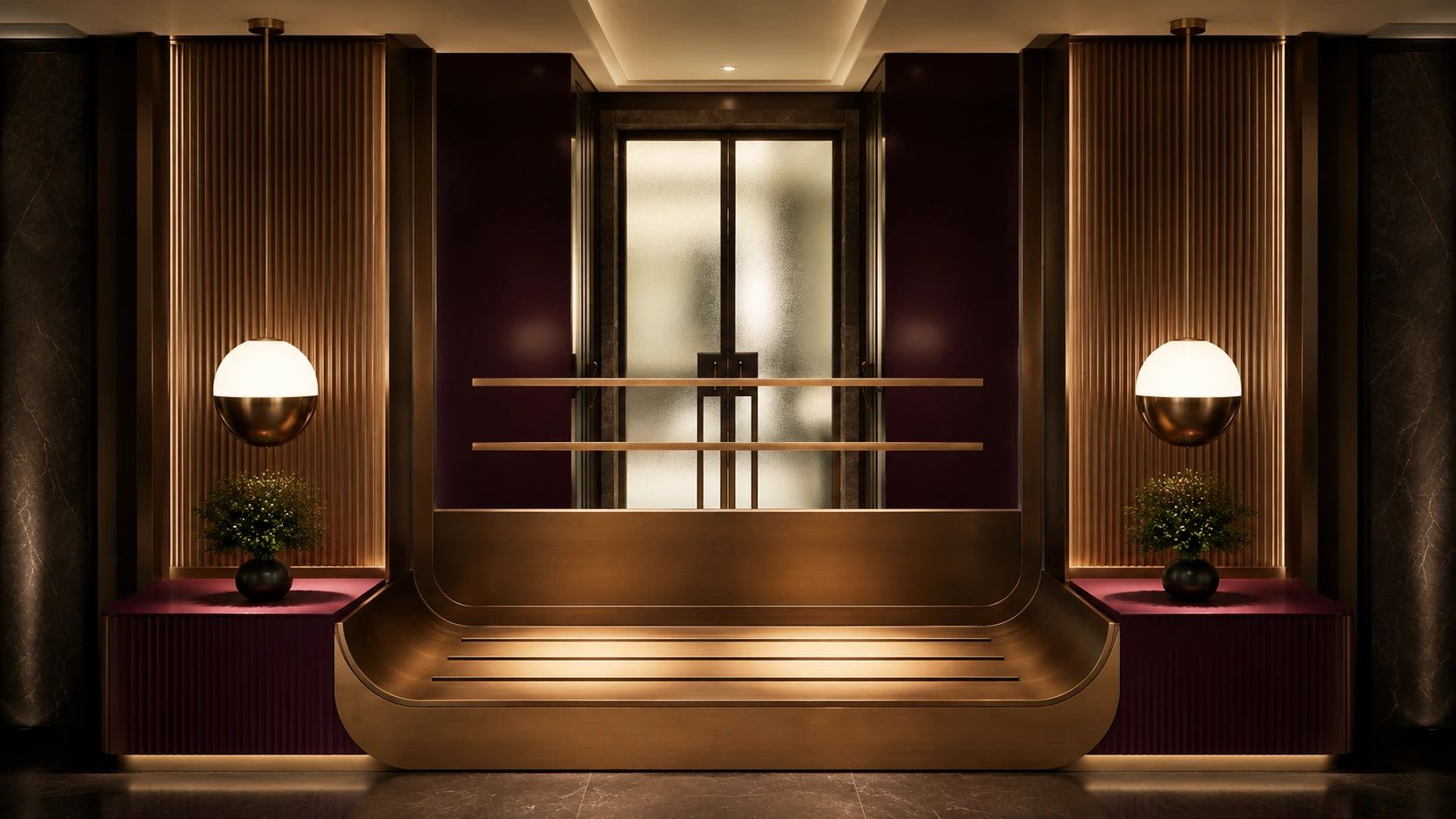
Architectural procurement often requires more than purchasing flat stainless steel sheets.
When comparing suppliers, buyers should evaluate whether they can provide:
- material sourcing;
- drawing and DFM review;
- cutting;
- bending and forming;
- welding;
- polishing;
- decorative surface finishing;
- PVD treatment;
- sample development;
- quality inspection;
- protective packaging;
- custom fabrication.
Previous experience with architectural metal projects is also important because wall panels, elevator interiors, façades, partitions, trims, and custom furniture require different tolerances, joint designs, finish control, and installation considerations.
Final Procurement Recommendation
There is no single stainless steel grade that offers the lowest cost for every architectural project.
304 is suitable when a project requires a practical balance of corrosion resistance, fabrication flexibility, decorative options, and cost for general architectural applications.
Consider 316 or 316L when humidity, chloride, coastal exposure, wet conditions, difficult maintenance, or replacement risk justify higher corrosion resistance.
Evaluate 430 for selected low-corrosion interior applications where controlling the initial material cost is a priority.
Most importantly, do not select the grade independently from the product.
The final purchasing decision should consider material grade, thickness, fabrication, finish, installation environment, maintenance, quantity, expected service life, and total project cost.
Need a Stainless Steel Fabrication Quote?
INOXFURT Metal provides decorative stainless steel materials and custom metal fabrication for architectural interior and exterior projects.
Buyers can provide INOXFURT Metal with project drawings, required dimensions, quantity, surface finish, installation environment, and preferred stainless steel grade. The INOXFURT Metal team can review the material and fabrication requirements, support sample development, and prepare a project quotation.
For material selection, fabrication review, or project pricing, buyers can contact INOXFURT Metal to discuss specific architectural metal requirements.