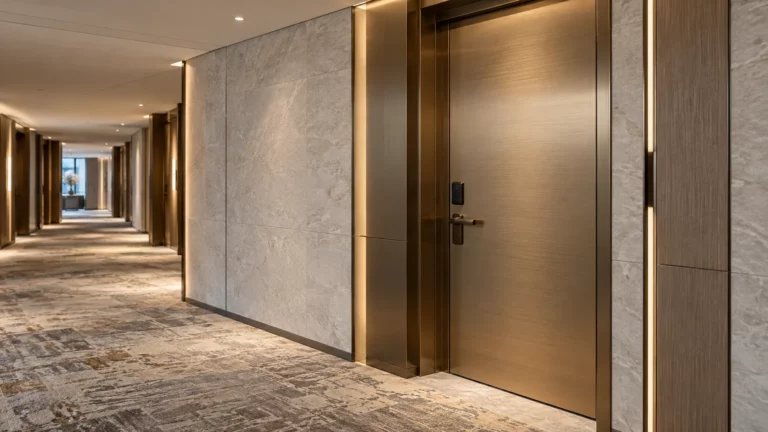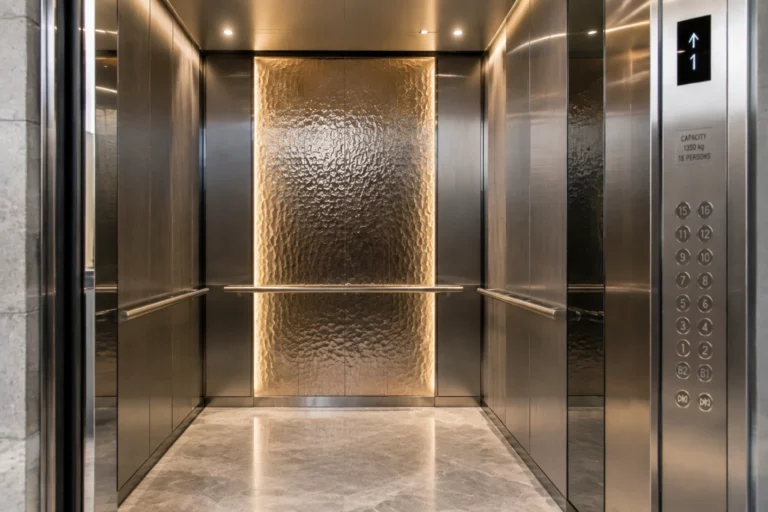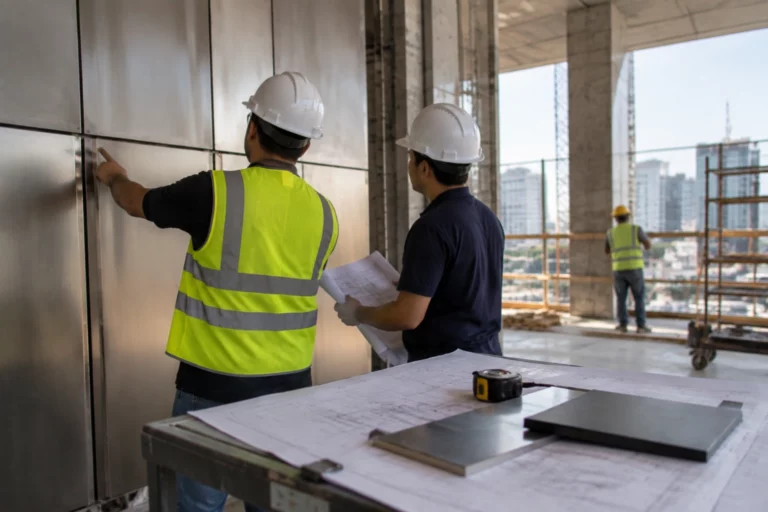


Stainless steel exterior ốp tường is used in commercial buildings, hotels, retail facades, and architectural projects. It combines corrosion resistance, durability, and a refined appearance. However, successful installation depends on more than the visible metal surface. The substrate, support framework, joints, waterproofing, drainage, and fixing method must work together as a complete system.
Thép không gỉ cladding may be supplied as formed sheets, cassette panels, single-layer panels, or stainless steel skins combined with aluminum honeycomb or other engineered backing structures. The correct solution depends on panel size, wind load, building height, flatness requirements, environmental exposure, and the approved installation method.
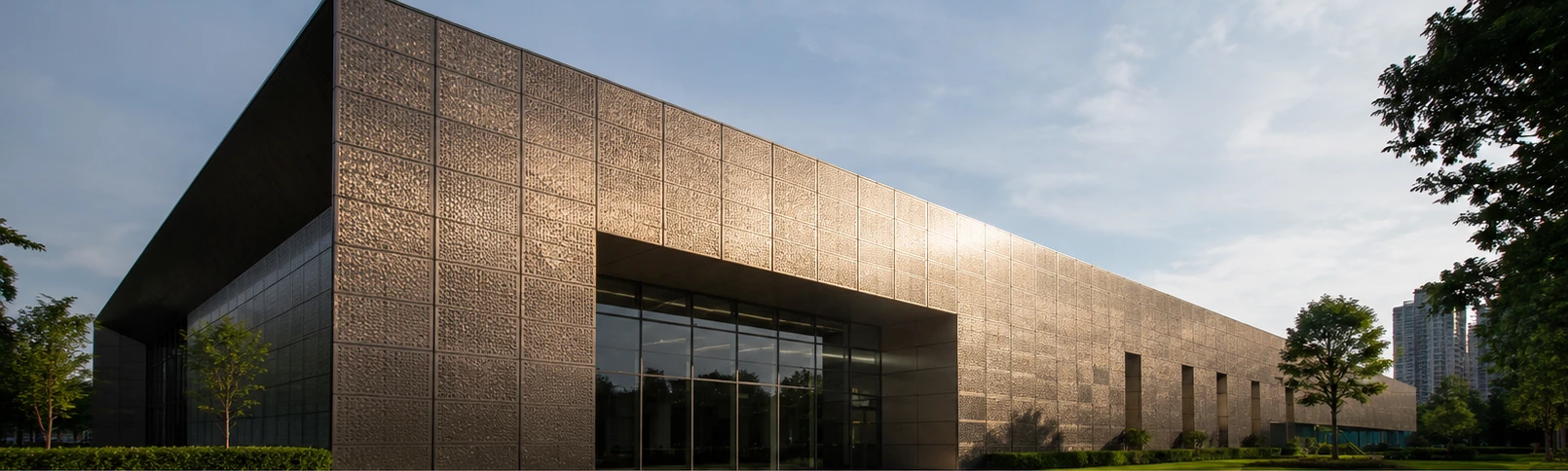
The following information provides general guidance only. Final panel construction, subframe design, structural calculations, waterproofing, and installation procedures must follow approved shop drawings, project specifications, local building codes, and the requirements of qualified professionals.
1. Tools and Materials Required
Decorative panels and related tools and accessories should protect the surface of the panels and ensure installation accuracy. They should be able to be handled without scratching, denting, leaving fingerprints, or otherwise being contaminated by iron particles or other construction materials.
1.1 Cutting, Measuring, and Fastening Tools
Common tools used are typical metalworking tools such as saws, drills, rivet guns, laser levels, steel measuring tapes, squaring tools, straps for lifting etc. Gloves and safety glasses are recommended to be worn. As much as possible, cut and form these out in the factory. This allows for better and more visible panels as controlled fabrication leads to better dimensions and edge quality.
Where site cutting is unavoidable approved stainless steel tools and cut metal removed and discarded immediately should be used. Metal filings from carbon steel tools can leave iron contamination on polished surfaces. Protective film should remain on visible surfaces during transportation and in position as far as possible.
1.2 Sealants, Fasteners, and Support Accessories
Depending on the system, accessories may include stainless steel screws, rivets, anchors, concealed clips, metal profiles, isolation pads, EPDM components, waterproof membranes, backing rods, and facade sealants.
When selecting accessories, consideration must be given to factors such as galvanic corrosion, thermal movement, weather, load transfer and material compatibility. Where specified, neutral-cure silicone sealants can be used; however, the approved product and joint detail must be confirmed by the project consultant or supplier of the building envelope system.
1.3 Selecting the Right Panels
A grade 304 stainless steel is commonly used for general use in mild, low-chloride exposures. Grade 316 is generally preferred for coastal, marine, wet, pool, industrial, etc. exposures of higher corrosion. The final choice of grade should be determined by the project specification and the exposure assessment.
Typical finishes for stainless steel are brushed, satin, mirror, etched, bead-blasted, water-ripple and PVD-coated. It is not necessarily that every finish is suitable for every external environment. Finish suitability must be verified based on steel grade, coating specification, cleaning requirement, exposure and approved samples.
The thickness of a panel alone is not sufficient to determine the performance of that panel. The dimensions of the panel, the folded edges, stiffeners, backing material, fixing points, and wind loading all have to be taken into account in relation to rigidity and flatness.
2. Preparing the Wall and Support Structure
A decorative panel cannot make up for a weak substrate or an incorrect frame. Inspect base wall and fixing zones for correct construction before installing a panel.
2.1 Inspecting and Cleaning the Base Wall
Loose mortar, unstable surface coatings, oil, dust, protrusions and deteriorated material must be removed prior to installation of flashings, brackets and rails. Also repair any cracks or leaks and even up surface to be flush as possible.
Check the load on the walls, the fixings, the waterproofing around windows and doors, the parapets, the corners, the drainage channels and the interface with other facade elements. For ventilated facade systems, ensure that the designed cavity is maintained to permit the drainage of moisture and the flow of air.
2.2 Measuring and Marking the Layout
Installation of the stainless steel wall cladding system should follow approved shop drawings and verified site dimensions.
Layout must coordinate with windows, doors, vents, and other items such as expansion joints, lighting and building signage. Also on a symmetrical facade, centerlines for the layout should be reviewed prior to starting the first course of work. Small errors in alignment in the first course of work will be evident and become more pronounced as the elevation progresses.
2.3 Installing the Support Framework
The support framework creates the final facade plane and transfers loads from facade system to building structure. Brackets and profiles shall be installed at the defined spacing and at the positions indicated in the approved engineering drawings.
Adjust all members until they are plumb, level, and aligned. Install isolation pads where specified, and check anchors before panel installation. Poor framework alignment may result in inconsistent joints, surface waves, vibration, or distorted reflections.
3. Step-by-Step Panel Installation
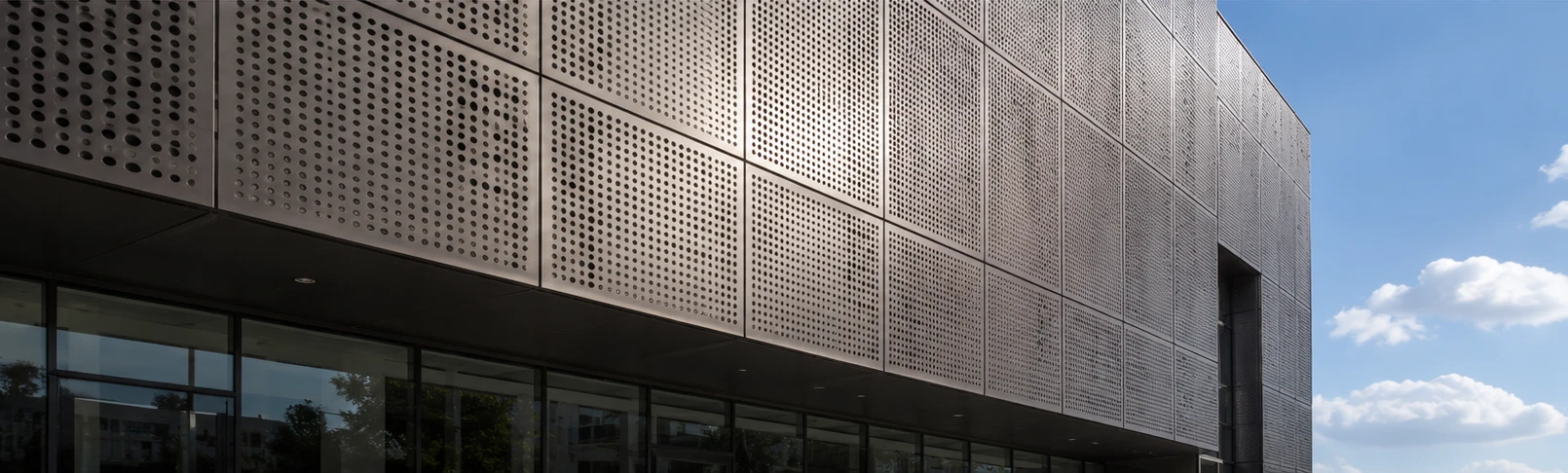
3.1 Positioning the First Panel
For the first panel, to establish the facade direction, place it on the reference line, check alignment, maintain fixed joint and expansion gaps. Fix temporarily before final fixing, to check protective surface is intact and panel sits in approved fixing clips or rails.
3.2 Fixing and Aligning Adjacent Panels
Connections between panels are made using visible screws or rivets, concealed clips, cassette returns, interlocking edges, or even rail-supported connections.
Install panels in sequence next to each other. Check joint width, installation is level, panels are flat and that the surface reflection is even. Do not over tighten fixings as excessive pressure may cause panel distortion. Where thermal movement is expected, the fixing holes, slots and joints must be designed and installed to allow controlled expansion and contraction as specified in the engineered solution.
Remove any metal filings and protect completed areas against tool damage, cement dust, welding sparks and against contact with any other carbon steel items.
3.3 Sealing Joints, Corners, and Openings
Seal with specified sealant, gasket, backing rod or open-joint drainage detail as shown on approved drawings. Particular attention should be paid to window, door, vent, parapet, corner, penetration and material transition details.
Seal the interfaces around drainage and ventilation components as specified, while keeping all functional drainage and ventilation openings unobstructed. Remove excess sealant before it hardens, using a medium that will not damage the finish. Corners are formed by folding a panel, using custom trim, a profile or a pre-manufactured corner component.
4. Final Inspection and Performance Checks
Check the flatness of the panels, the quality of the joints, the way the corners have been aligned, the fixings, the sealant, the routes of water drain-off and the surface finish for any signs of indentations caused by over-tightening of fixings and loose fixings that could be causing excessive vibration.
Inspect for scratches, residue from adhesives, fingerprints, cement splatter, and metal particles. Remove the protective film from the stainless steel panels in accordance with the project requirements. Clean the exposed metal surface with an approved non-abrasive cleaner suitable for stainless steel. Do not use steel wool, harsh chemicals, or any cleaner that contains chlorides.
As required, installed facade areas have to be subjected to approved water penetration, air leakage, structural and wind load tests by qualified persons, as applicable.
Câu hỏi thường gặp
What stainless steel grade is suitable for exterior cladding?
Grade 304 may be acceptable for very mild to low-chloride service. Grade 316 is generally preferred for coastal, marine, humid, industrial, and other higher-corrosion-risk environments.
Is exterior cladding always made from a single stainless steel sheet?
No. Systems may be formed up of formed sheets, cassette type panels, single layer panels, composite type structures and others such as stainless steel skin with honeycomb core of aluminum or other engineered core material.
Which finish is best for exterior use?
Many projects can be finished with brushed or satin finish. The finishes Mirror, etched, bead-blasted, water-ripple and PVD have more impact and need to be evaluated as to their suitability for exterior use for the project at hand.
Inoxfurt Metal: Custom Architectural Metal Solutions for B2B Projects
Kim loại Inoxfurt specializes in custom architectural metal products, decorative stainless steel sheets, wall cladding components, facade elements, and aluminum honeycomb panel systems for hospitality, commercial, real estate, and other B2B projects.
Architects, contractors, developers, distributors, facade consultants, and procurement teams can contact Inoxfurt Metal to discuss drawings, stainless steel grades, panel structures, dimensions, surface finishes, PVD colors, fabrication requirements, samples, packaging, delivery schedules, and online technical coordination. Final structural design and on-site installation should follow approved project drawings, local regulations, and the requirements of qualified facade professionals.