

Architectural design today heads toward materials that not only work well structurally but also show a feeling of accuracy and lasting quality. Among these, stainless steel stands out as a material that blends practical engineering with stylish looks. Its flexibility has turned it into a key part of modern architecture. This changes both outside and inside spaces into lasting pieces of art.
The Growing Role of Stainless Steel in Modern Architecture
Stainless steel’s toughness, long life, and nice appearance make it a top choice for current projects. It gives a special mix of sturdiness and grace. This lets architects stretch their ideas without losing strong performance. From tall building fronts to artistic inside spaces, stainless steel handles both support and beauty needs in different styles.
Exploring Innovative Stainless Steel Design Ideas in Architecture
As people want more green and lively materials, stainless steel keeps sparking new ideas in building design.
1. Stainless Steel Claddings
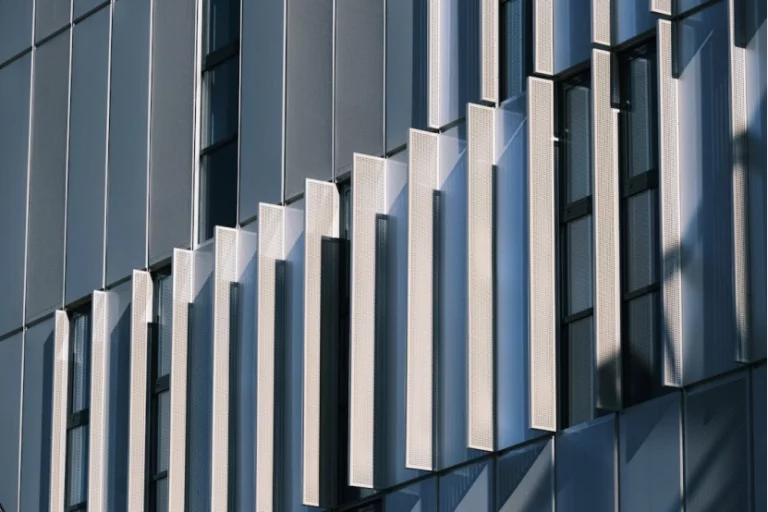
Cladding systems from steel sheet metal give protection from weather and rust for building outsides. They act as both shield and decoration. They guard against weather strain. At the same time, they offer shiny or rough metal looks for style changes. Some architects pick very smooth panels to copy nearby views. Others like dull or designed finishes that add quiet layers. More than looks, these claddings help save energy. They push away heat and sun rays. This cuts down on cooling needs in hot areas.
2. Stainless Steel Ceilings
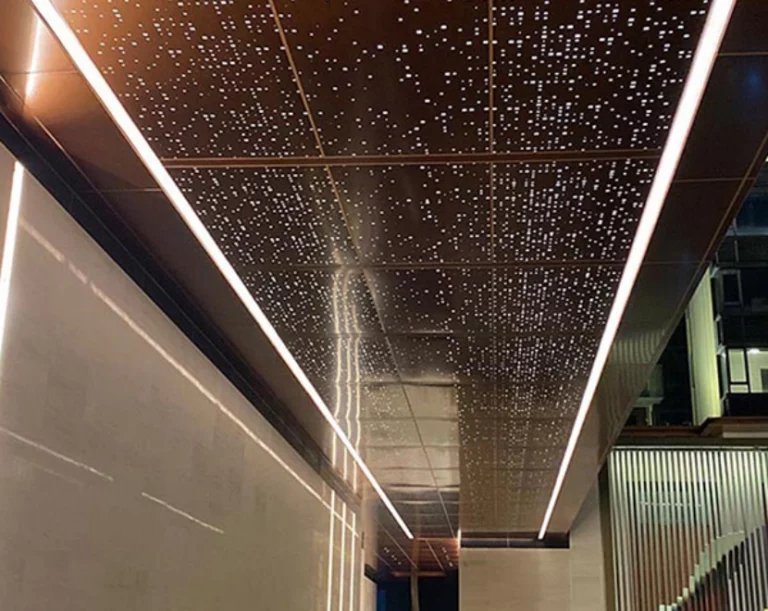
Ceiling setups made from stainless steel build fresh inside areas where light matters a lot. Their shiny sides boost light and space feel. This fits well for business entrances or art rooms that want openness. These ceilings can hide air systems or wires. Yet they stay easy to reach for fixes with piece-by-piece plans. Rough panels bring size and sound help. They turn useful spots into eye-catching places.
3. Stainless Steel Partitions
In work places, eating spots, or public spots, stainless steel partitions change how space splits up. They keep things open with half-see-through or hole-filled designs. These let light pass while giving some private feel. Next to old wall boards or glass splits, they give better strength against wet and heavy use. This proves extra useful in busy spots like airports or shops.
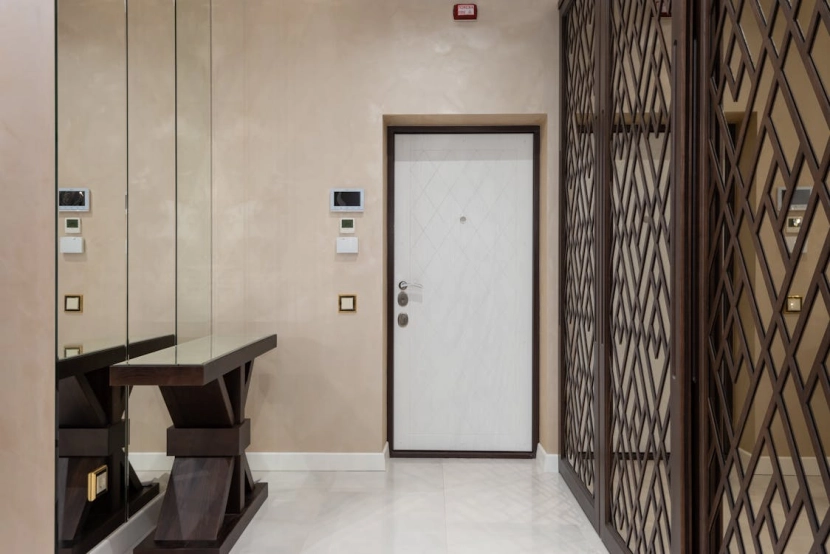
4. Interior Features with Stainless Steel Accents
Wall boards, edges, and pretty parts from stainless steel add a shiny style that goes with other stuff like glass, wood, or concrete. These touches mix warmth with sharp lines. A rough finish next to plain wood makes peace between natural and factory feels. Rough metal sides add layers to simple insides without taking over.
5. Stainless Steel Kitchen Designs
In kitchens for homes or businesses, stainless steel beats others for clean lines and toughness. It fights off heat, marks, and rust. So it gives surfaces easy to wipe that keep a pro look. Tops and back walls from stainless steel type 304 promise long strength even with hard daily work. Its plain color matches stone or wood storage well for endless charm.
6. Stainless Steel Furniture Applications
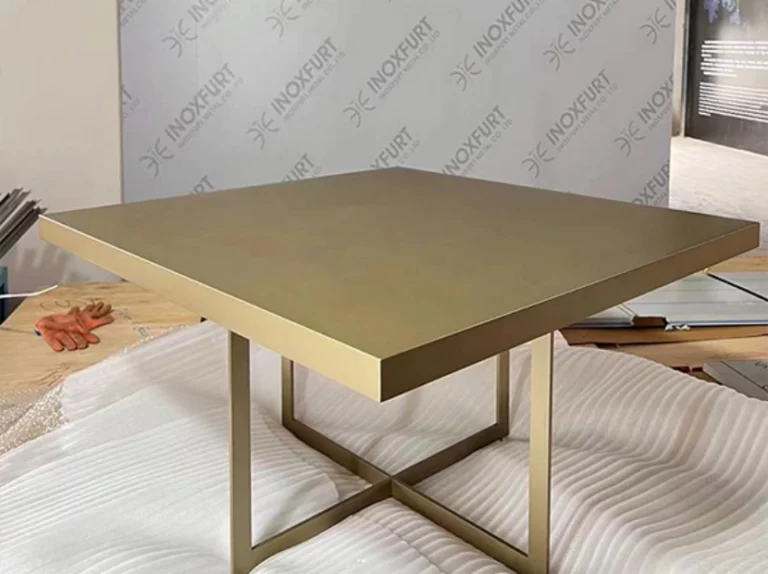
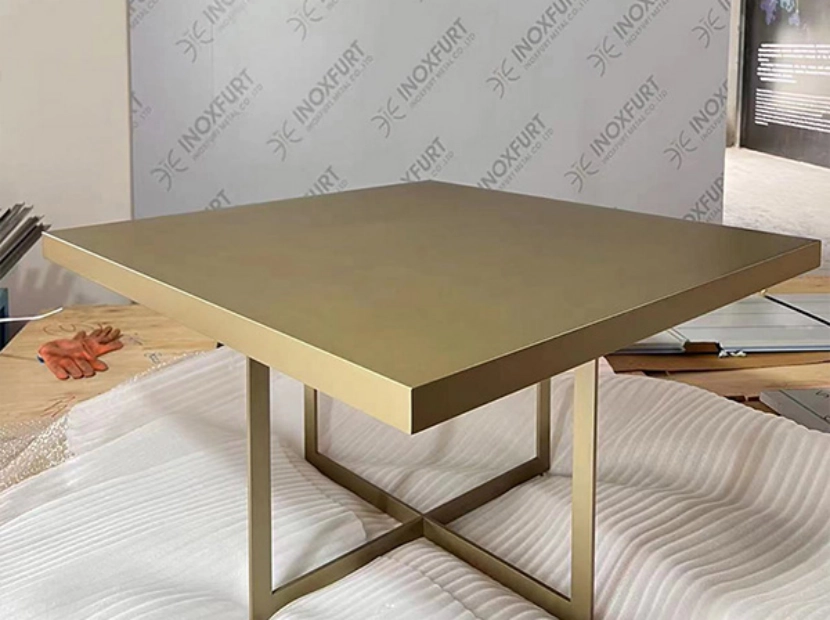
Furniture built from stainless steel fits inside rest areas and outside patios because of its power and weather fight. Designers often mix metal bases with wood sits or glass tops to make texture and shape differences. The outcome is pieces that seem light but strong. This suits fresh building ideas that stress clear shapes.
7. Balustrades Made from Stainless Steel
Balustrades built with stainless steel bring safety without losing clear sight or flair. They often pair with glass sides on decks or steps. Their smooth finishes boost views while keeping solid build. Rust fight makes them last long even in sea-side spots hit by wet air or salt.
8. Stair Handrails Using Stainless Steel Type 304
Type 304 stainless steel fights wear and rust well inside or outside. This makes it great for hand holds in homes and public build jobs. Round shapes give comfy grip. And they keep style the same across steps and halls.
9. Architectural Signages in Stainless Steel Sheet Metal
Laser-cut letters on stainless steel sheet metal let custom shapes for logos or names on company fronts or art centers. Shiny sides improve sight in different lights. This goes from day sun to night glow. And weather-proof traits make them steady for outside sign uses.
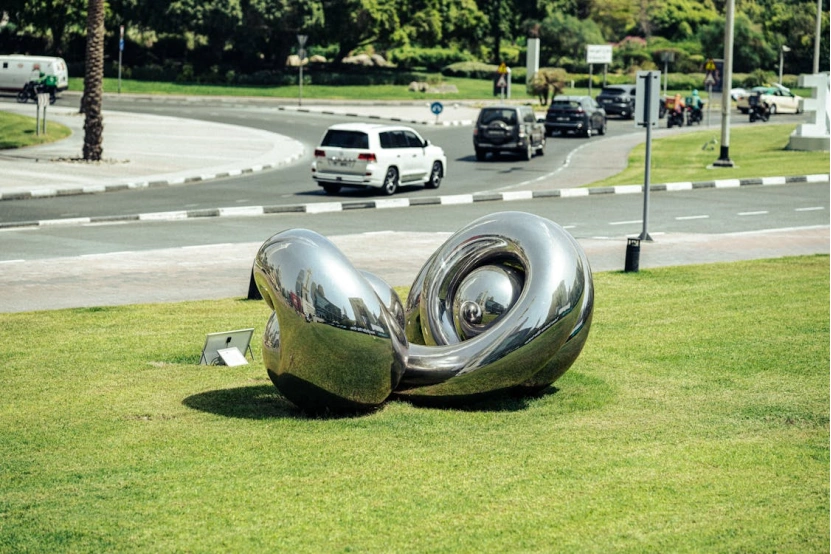
10. Stainless Steel Sculptures as Art Installations
Public art setups use stainless steel more because it plays with light and surroundings in lively ways. Sculptures from sheet metal copy city views by day and town lights at night. This builds changing sight stories. These works stand up to weather hits without losing build strength. It shows the material’s staying power.
11. Bollards Designed with Stainless Steel Durability
Bollards work as quiet but strong safety spots around walk areas or park spots. Ones from stainless steel type 304 fight rust even with rain water or salt from ice melt. Their plain shapes blend into city views without breaking the look.
12. Canopies Featuring Textured Metal Surfaces
Canopies from rough metal sheets give shade. They also add fresh metal touches to doors or paths. The rough parts cut sun glare. And they show skill through small side changes. Strong in build but light in sight, such canopies stretch over big areas with ease.
Benefits of Using Stainless Steel in Architecture
The good points of stainless steel go past looks. It’s about how it works meeting green goals.
Durability and Strength Advantages
Stainless steel fights rust, bending, and hits in many weather types. This fits sea towns where wet air tests most metals. Or hill spots with wild heat shifts.
Aesthetic Appeal Across Designs
You can get it in smooth, rubbed, soft, or designed finishes. So stainless steel fits any building talk. From super new tall buildings to fixed old sites wanting fresh touches.
Sustainability Considerations
Since it recycles fully, stainless steel matches earth-kind build ways. It keeps worth after years of use. Old parts turn into new ones without drop in quality. This key point backs round economy rules in building now.
Low Maintenance Requirements
Not like painted metals that need fresh coats now and then, stainless steel wants little wipe. It holds its first look over time. This big plus fits huge fronts where fix costs add up fast.
Selecting the Right Type of Stainless Steel for Architectural Projects
Picking the best grade makes sure long life and money save in varied weather.
Evaluating Environmental Conditions
Architects ought to choose grades by how much they face weather. Inside land builds may do fine with type 304. Sea projects often need type 316 for better salt fight. Factory areas might call for special mixes against dirt.
Considering Mechanical Properties and Formability
Every job needs set build traits like pull strength against bend ease in making. This matters when shaping tricky bends from sheet metal parts like covers or art.
Surface Finish Requirements
Side feel changes looks and use. Smooth finishes boost shine. Dull ones cut bright spots. Designed sides hide finger marks. That’s a small but handy bit in shared spots.
Balancing Cost and Longevity
Top grades may cost extra at start. But their long run cuts swap costs later. Architects must think this through in pick steps.
Inoxfurt Metal specializes in high-end custom metal decorative components that bring these ideas into reality—from textured metal façades to precision-crafted handrails using premium-grade materials like stainless steel type 304. Their expertise bridges design intent with manufacturing excellence, helping architects achieve distinctive results that endure aesthetically and structurally alike.
FAQs
Q1: What makes stainless steel type 304 popular in architecture?
It combines excellent corrosion resistance with affordability and ease of fabrication for both interior and exterior applications.
Q2: How does textured metal improve building design?
Textured surfaces diffuse light more evenly, hide minor scratches, reduce glare, and enhance tactile quality within spaces.
Q3: Are stainless steel claddings energy efficient?
Yes—they reflect sunlight effectively, lowering heat absorption on façades which contributes to better thermal performance overall.
Q4: Can stainless steel furniture be used outdoors?
Absolutely; its weather-resistant properties prevent rusting even under rain exposure when properly maintained.
Q5: Why is stainless steel considered sustainable?
Because it’s 100% recyclable without degradation of quality—making it an environmentally responsible choice for long-term construction use.