

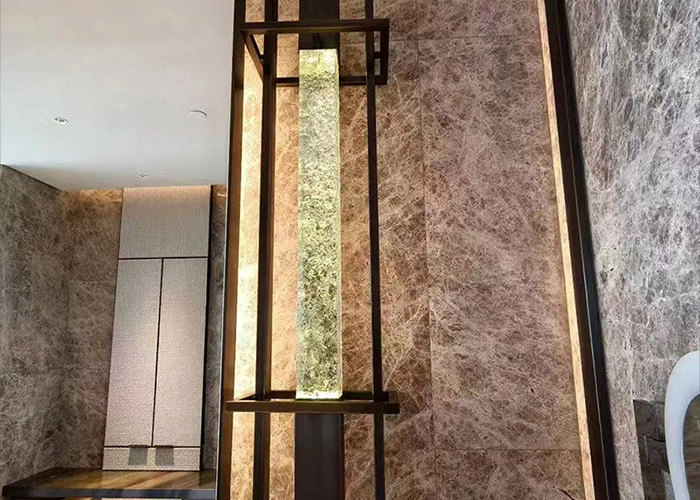
The 4×8 stainless steel sheet has become a key part in today’s building work, making things, and planning. People like it not just for how tough it is. The 4x8ft size also works well with worldwide making systems. Folks use it in building projects, inside decor, or factory machines. This size turns out to be handy and useful.
Understanding the 4×8 Stainless Steel Sheet
Definition and Characteristics of 4×8 Stainless Steel Sheet
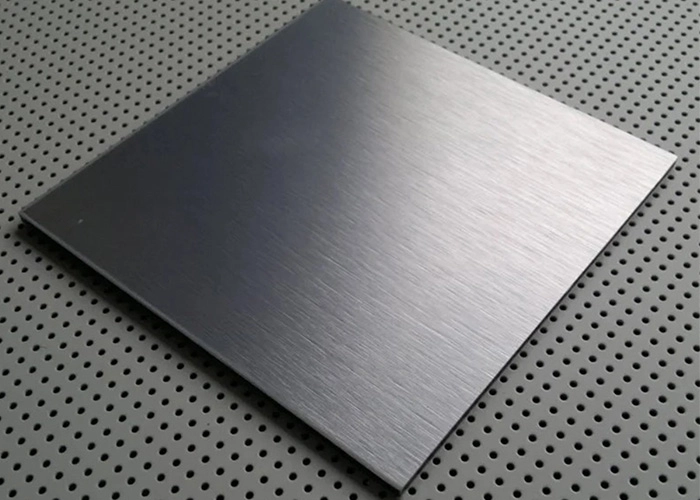
A 4×8 stainless steel sheet means a flat metal piece that is four feet by eight feet. Makers often make it from types like 304 or 316 stainless steel. These sheets see wide use because of their power, ability to fight rust, and nice look.
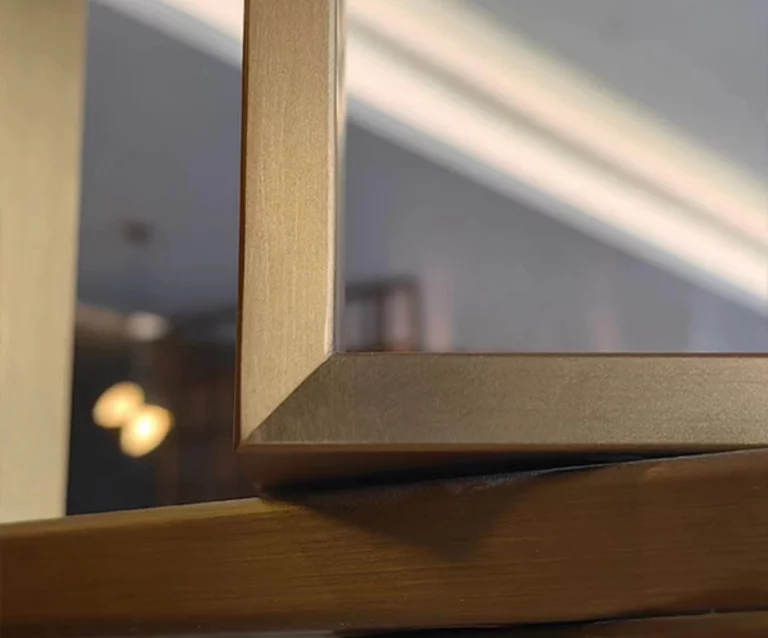
Stainless steel counts as one of the usual pretty metal stuff. It has good power and fights rust well. The outside can get treated by brushing, mirror shining, or coloring steps. This gives many looks that fit various style ideas. A brushed look offers a soft dull feel. It’s great for fresh inside spaces. A mirror look gives strong shine. That works for fancy areas.
Inoxfurt Metal runs as a top custom maker. It focuses on decorative metal sheets and building parts. The company often uses these materials for its special jobs. Their skill shows in exact cutting and finishing ways. These boost both the working and sight quality of stainless steel panels.
Historical Context and Industrial Development
Stainless steel started changing in the early 1900s. That’s when folks first mixed chromium into steel to stop rusting. Time passed. Businesses saw its chance outside factory jobs. This happened especially in building and planning.
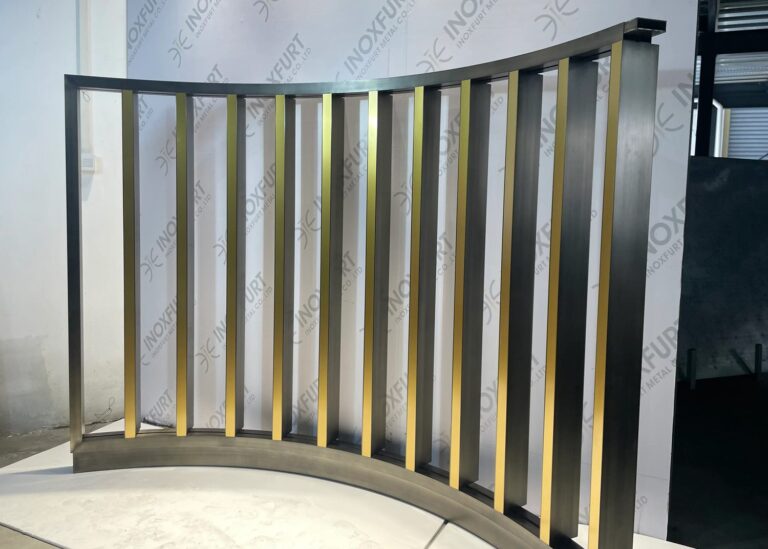
Stainless steel screens count as a hot kind of divider and pretty item in inside planning right now. This change marked a big shift. Stainless steel sheets turned into more than just building materials. They became pretty surfaces too. People use them in screens, fronts, and furniture.
Why 4x8ft is the International Standard Size for Stainless Steel Sheets
Historical Reasons for Standardization
The choice of the 4x8ft size came from North American making ways in the middle 1900s. This size matched usual plywood and wall board pieces. It let things fit together smoothly in building setups. As world trade grew, this size became the main global one. It fit with tools and moving goods already in place.
Benefits of Standardization
A set size makes planning easier. It cuts down on waste when making things. Makers can plan cutting better. Planners can figure out material needs without hassle.
Key advantages include:
- Streamlined production processes across different regions.
- Reduced inventory complexity.
- Easier replacement and maintenance for standardized installations.
From a money view, set sizes help world trade. They cut down on size changes between sellers.
Naming Methods for Standard Sizes of 4×8 Stainless Steel Sheets
Naming by Unit of Measurement
In many English places, the name “sheet metal 4×8” means sizes in feet. In places that use metric, it’s called “1220mm x 2440mm.” Both point to the same real size. But they match different measure habits.
Naming by Language and Region
Area naming ways change a bit. Asian spots might say “stainless plate”. Western spots like “stainless steel sheet”. Word choices differ. Yet all mean close standard goods for building or decor.
Naming by Thickness and Application
Thickness matters a lot in sorting. For example:
| Thickness (mm) | Common Use Case |
| 0.5 – 1.0 | Interior wall cladding |
| 1.2 – 2.0 | Kitchen equipment |
| 3.0 – 6.0 | Industrial fabrication |
Thicker sheets go where power counts most. Think elevators or strong panels. Thinner ones handle pretty jobs. Like edges or show fronts.

Comparing 4×8 and 4×10 Stainless Steel Sheets
Size Differences and Their Implications
Both sizes have like traits. But the extra two feet on a 4×10 sheet lets you cover big areas with fewer joins. Still, it weighs more per piece. That can raise moving costs too.
Applications in Various Industries
The 4×8 stainless steel sheet stays main in usual building. It’s simpler to handle. It fits standard tools well. The bigger 4×10 type suits spots that need wide cover. Like elevator insides or shop kitchen walls. There, a smooth look matters a lot.
Inoxfurt Metal uses both sizes based on the job. They pick smaller panels for detailed pretty work. Such as screens or edges. Larger ones go for steady surfaces. Those need few joins.
Impact of International Standardization on Global Markets
Enhancing Standardization and Consistency
World use of the 4x8ft way brings sameness to fields. From car making to building work. It lets groups around the globe team up well. They skip changing gear or plans each time.
Improving Economic Benefits
Set sizes cut making costs. They skip tool switches. They make big buys easier. This common setup aids easy trade over borders. It keeps steady quality rules everywhere.
Innovations Stemming from the Standardization of Stainless Steel Sheets
Encouraging Innovation and Development
With sizes set, makers could turn to new outside treatments. They skipped basic size worries. Stainless steel decorative strips come from bending thin stainless steel sheets into needed shapes. They use bending tools or forms. Then the outside gets treated with brushing, mirror finishing, or plating. This adds colors and feels. Ways like PVD coating bring hues such as rose gold or black titanium. These fit new insides. They keep lasting power.
Supporting Sustainable Development
Set making cuts leftover bits when shaping. That drops waste a lot. Plus, stainless steel recycles fully. It keeps its strong traits. So it ranks as one of the greenest metals now.
By pushing smart work through even size rules like the sheet metal 4×8 format, fields balance output with green care. That’s a key move for green growth in making around the world.
FAQs
Q: What does “4×8 stainless steel sheet” mean?
It refers to a stainless steel panel measuring four feet by eight feet (approximately 1220mm x 2440mm).
Q: Which grades are most common?
Grades 304 and 316 are widely used due to their corrosion resistance and strength.
Q: Can these sheets be customized?
Yes, they can be brushed, polished, colored, or laser-cut depending on design needs.
Q: Are larger sizes like 4×10 more efficient?
They reduce seams but can be heavier; choice depends on project scale and installation logistics.