


Inox 304 stainless steel counts as the top pick among stainless steel grades around the world for a clear reason. It gives a solid mix of corrosion resistance, strength, and nice looks. You find it in places like architecture, food processing, or automotive manufacturing. The alloy’s flexibility turns it into a main building block of today’s industry.
Understanding Inox 304 Stainless Steel
Before we jump into its features, it’s key to grasp what sets Inox 304 apart from other stainless steels.
Definition and Composition of Inox 304
Inox 304, also known as AISI 304 or 18/8 stainless steel, is an austenitic alloy. It mainly includes iron along with roughly 18% chromium and 8% nickel. This setup provides its main defense against rust and wear. Because of its strong build and protection from rust, stainless steel serves as a popular choice for pretty metal items. Nickel in the mix holds the austenitic form steady. Thus, it stays hardy even when it’s cold.
Key Characteristics of Inox 304
Inox 304’s wide use comes from its even traits. These cover both useful and pretty needs.
Corrosion Resistance
The big chromium amount builds a quiet oxide coat on the outside. That coat blocks rust from starting. The coat fixes itself, which lets the stuff handle wet spots and light cleaners. 316 stainless steel does better near the ocean. Inox 304 gives enough cover for inside and city spots, like kitchens or building insides.
Aesthetic Appeal
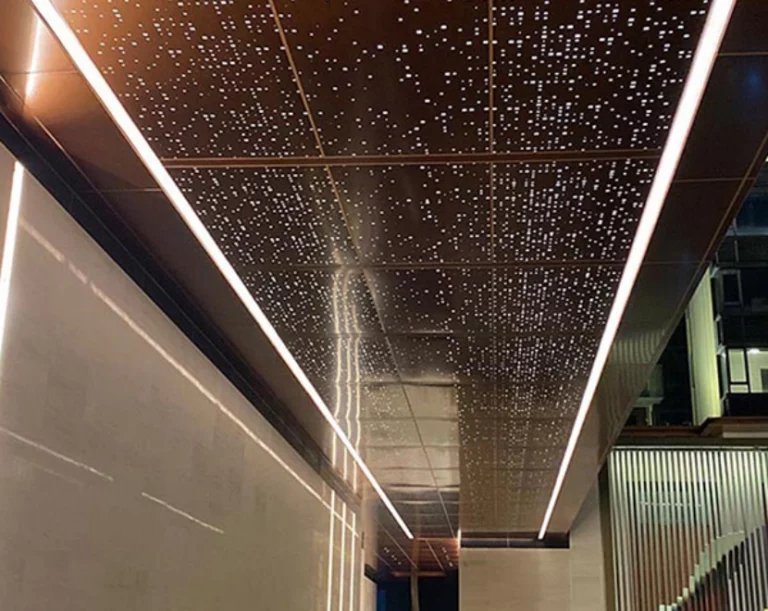
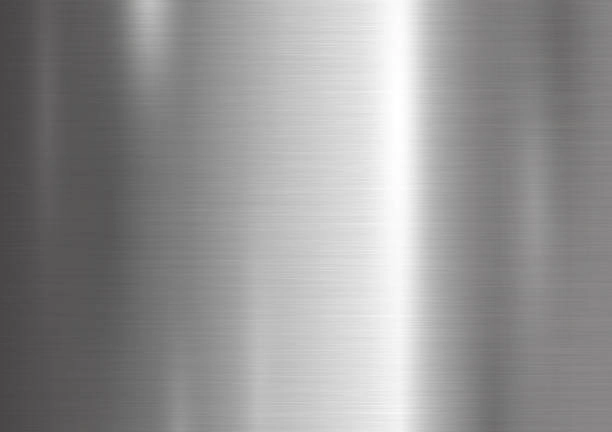
Designers pick Inox 304 partly for its neat metal glow. That glow suggests fresh style. Stainless steel items mostly come from 304 or 316 stainless steel. Their outsides can get finishes like brushing, mirror shine, or color coats. These bring a current style and a top feel. Such finishes help architects make shiny mirrors in hotel fronts. Or soft brushed feels in plain rooms. Its even look matches wood, glass, and rock just right.
Formability and Strength
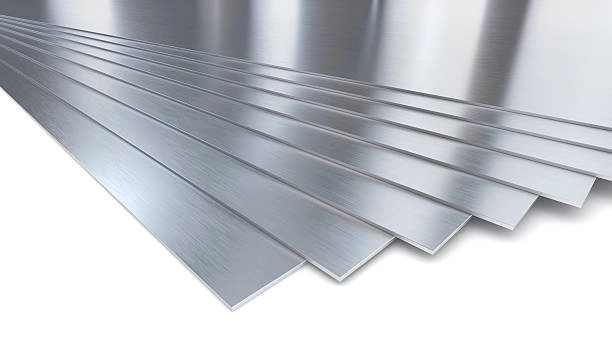
You can shape Inox 304 without trouble using bends, stamps, or welds. It doesn’t lose its build strength. Stainless steel takes exact welding, laser cuts, and marks. This fits well for made-to-order panels or sharp edges in room setups. Plus, it holds good pull strength, often near 515 MPa. Its bend strength stays close to 205 MPa. So it lasts well even with push and pull.
Hygiene, Cleanability, and Maintenance
Cleanliness stands out as a big plus for this alloy. Its tight surface fights germ spread and cleans up fast. Those points matter a lot in food factories and sick rooms. The outside feels even and keeps out dust. A quick wipe with a wet rag brings back its new shine. When set against holey stuff like wood or soft steel, its care costs stay small for years and years.
Mechanical Properties of Inox 304
Getting how it acts under force aids engineers in selecting the best stuff for weight holds or pretty parts.
Tensile and Yield Strength
Typical mechanical properties are summarized below:
| Property | Typical Value | Description |
| Tensile Strength | ~515 MPa | Indicates resistance to breaking under tension |
| Yield Strength | ~205 MPa | Stress level at which plastic deformation begins |
| Density | 8 g/cm³ | Standard for most austenitic steels |
These figures fit Inox 304 for solid jobs like fences. Or for slim pretty sheets that need careful folds.
Elongation, Hardness, and Elasticity
Inox 304 stretches to around 40%, so it bends a fair bit before it snaps. That suits tricky forms like bent edges or art setups. Its hard level sits between HRB 70–90, based on heat treatment. It strikes a fair balance for cutting ease and scratch hold-up.
Applications Across Industries
The broad take-up of this inox steel grows from how well it blends into various fields.
Food and Beverage Industry Uses
Food clean rules depend on stuff that fights dirt but cleans simple. Inox 304 slots in just right here. It won’t mix with sour eats or kitchen cleaners. Gear like tanks, sinks, movers, and tops often pick this grade. It keeps safety without changing flavors.
Chemical, Pharmaceutical, and Medical Uses
Due to how it doesn’t react with most plant stuff and cleaners, Inox 304 sees heavy use in drug lines and lab tables. Clean counts above all there.
Automotive and Construction Applications
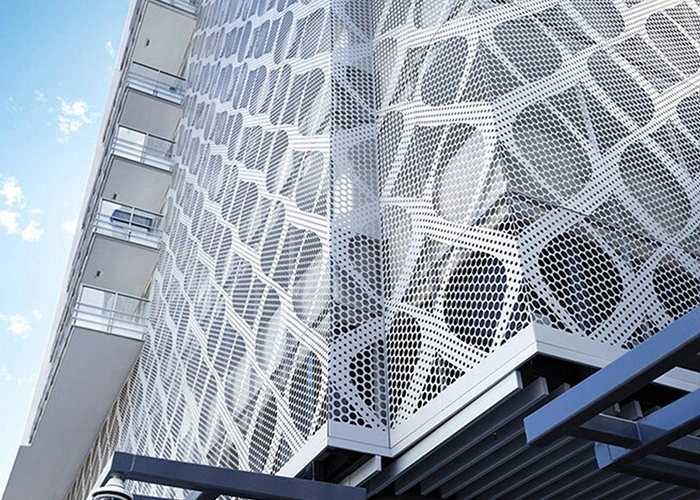
Automotive manufacturers use it in pipe systems and edge bits where heat hold and looks play big roles. At the same time, in build plans, mainly fronts or inside bits, its skill at mixing power with grace makes it a must-have. Stainless steel screens hold top strength and lasting. Even after long time, they skip rust, wear, or fade. Thus they keep shape strength and outside look. The same lasting works for fronts covered in stainless honeycomb panels. Those hold even over wide spots.
Versatility and Cost-effectiveness of Inox 304
Aside from how it performs, there’s one more big win: money sense.
Versatility Across Different Applications
From home tools to grand building works, not many things beat its bend. We supply custom, off-beat architectural decorative profiles. They go mostly for ends and highlights in high-class inside yards. Designers can call for special edges, base strips with light slots, or full front setups from the same base metal. This smooths buying and holds look steady.
Cost-effectiveness Compared to Other Materials
It’s a touch higher cost than carbon steel up front. But its long run makes up for start costs with less fixes and swaps. Skipping paint or cover needs cuts full-life spends further. That’s a main point for trade jobs after green worth.
Conclusion
For architects after smooth ends or engineers wanting sure work in mixed spots, Inox 304 stays a top choice among stainless steel grades. Its mix of corrosion resistance, shape ease, clean rules, and lasting style makes sure it leads in fields everywhere.
Inoxfurt Metal holds a full service plan for custom metal pretty work. They offer buyers full-range help from idea sketch to post-sale care. Their know-how with 304 or 316 stainless steels helps them bring made-just-for-you building bits, from sharp edges to big front setups, with fine skill and world sure-ness.
FAQs
Q: What is the main difference between Inox 304 and Inox 316?
316 contains molybdenum for superior marine corrosion resistance; otherwise their mechanical properties are similar.
Q: Is Inox 304 suitable for outdoor use?
Yes—in moderate climates it performs well.
Q: Can Inox 304 be welded easily?
Absolutely; its austenitic structure supports TIG or MIG welding without cracking issues.
Q: Why is it called “18/8” stainless steel?
Because it typically contains about 18% chromium and 8% nickel by weight.