

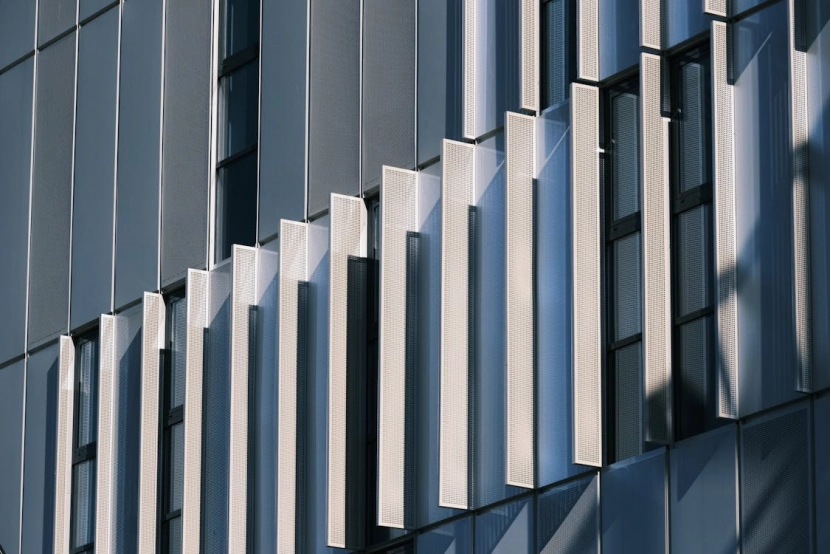
Modern hotel facade design goes beyond a simple visual display—it’s the initial welcome between a structure and its visitors. A nicely planned facade shares ideas of luxury, ease, and brand character before people even enter. The difficulty is in mixing looks with function, combining items, shades, and flow to make a memory that sticks.
Understanding the Core Principles of Modern Hotel Facade Design
A hotel’s outside needs to find a good match between creativity and building skills. Every design idea helps shape how visitors see the place.
Proportion and Scale
Even proportions create nice visual balance. When facade parts—windows, panels, and edges—stick to a steady ratio, they bring feelings of steadiness and ease. Scale decides if a building seems friendly or too big; big features might scare people off, but small ones could look weak. A well-thought-out scale draws visitors smoothly to the door.
Material Harmony
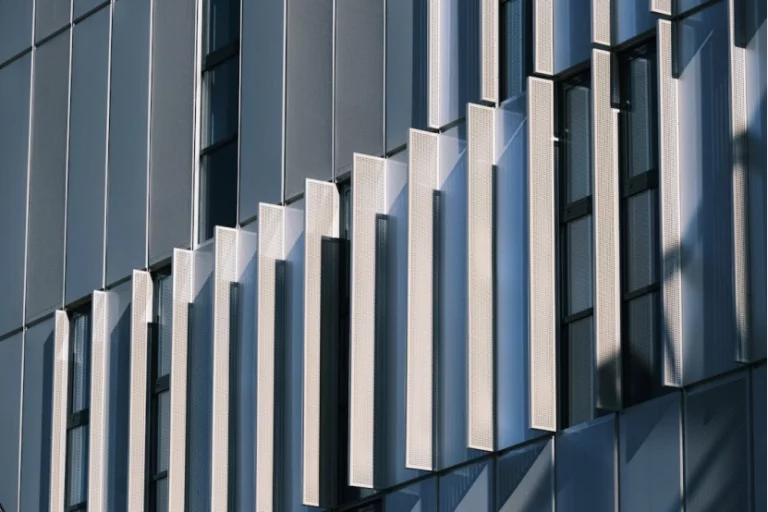
Choosing materials sets the style and lasting power. Mixing glass with metals such as stainless steel or aluminum gives a clean modern look, and adding stone or copper brings coziness.
Color Psychology
Shades affect feelings. Soft colors like bronze or champagne hint at fancy; chill tones show steady work style. With finishes like PVD coating or anodizing, planners can match shades to brand style. They also make sure things last.
Architectural Rhythm
Repeating parts make flow—a line of windows, shades, or panels leads the eye over the facade. This eye movement makes sense even in big builds. Switching between solid and see-through areas adds action. It avoids making the whole thing too much.
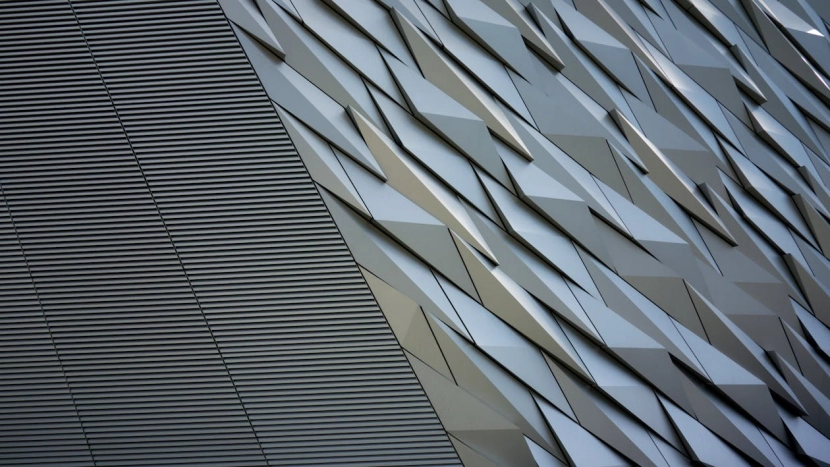
The Role of Architecture and Branding in Modern Hotel Facade Design
Building design tells a story in real shape. For hotels, each line and side ought to show brand ideas.
Visual Storytelling Through Structure
A small resort may pick soft curves to match nearby nature, while a city work hotel picks straight up lines that mean drive. Facade planning turns into a piece of the story. That sets one brand apart from others.
Material Selection for Brand Consistency
Sameness builds known looks. This boosts both the look appeal and how long materials last. Those fixes keep even finishes over many spots around the world—key for big hotel groups wanting a united look.
Cultural and Location Relevance
Mixing in local designs or items ties a building to its spot. Copper cladding that changes color with time can show area history. At the same time, it fits new shapes.
Material Selection for Long-Lasting and Stylish Facades
Lasting strength joins with good looks when picks are smart.
| Material Type | Key Benefits | Aesthetic Appeal |
| Stainless Steel Cladding | Corrosion-resistant; ideal for coastal areas | Sleek reflective surfaces |
| Aluminium Cladding | Lightweight; easy installation | Versatile color finishes |
| Copper Cladding | Develops natural patina | Warm antique charm |
| Expanded Metal Cladding | Provides shade & ventilation | Dynamic textures |
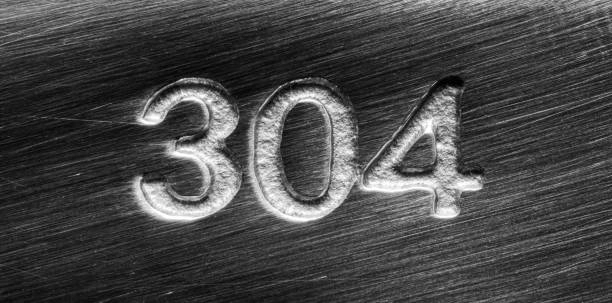
304 stainless steel shows great rust fight; it hardly rusts in normal air and fresh water spots and gets used a lot in areas like building decor. For bigger facades where heavy weight counts, aluminum mixes like 6063 give fine power per pound with good rust fight via anodizing fixes.
Integrating Sustainability into Modern Hotel Facade Design
Green ways now sit at the heart of hotel building thoughts. Smart glass cuts heat come-in but lets in lots of day light—needed for power saves in hot areas. Plant walls ease hard building lines and better the air. They give natural block against heat changes too.
Powder coating is a surface finish way, known as electrostatic powder coating. It uses electric pull to put charged powder on a piece’s face. Then heat makes it melt and set into a full layer. This green way skips bad air stuff (VOCs). It fits with green building rules. Sun-mixed facades join looks with use—panels turn into design parts, not add-ons.
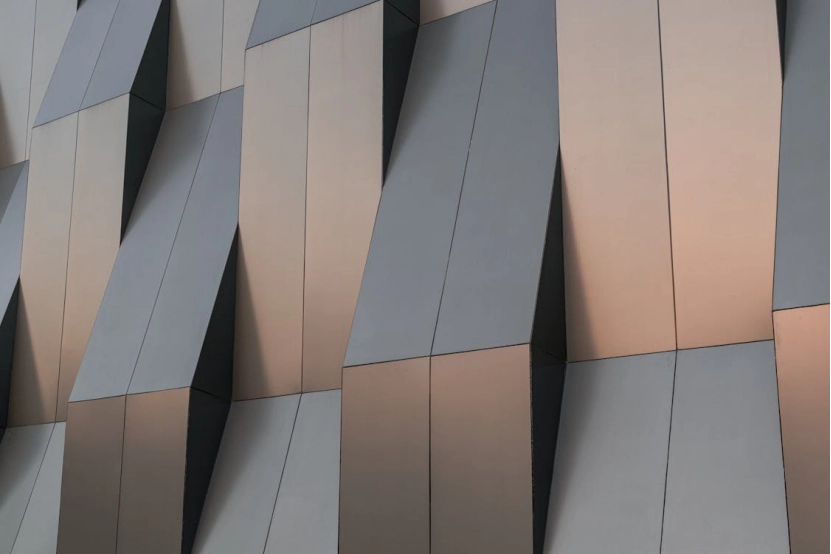
Lighting Strategies to Elevate Facade Appeal
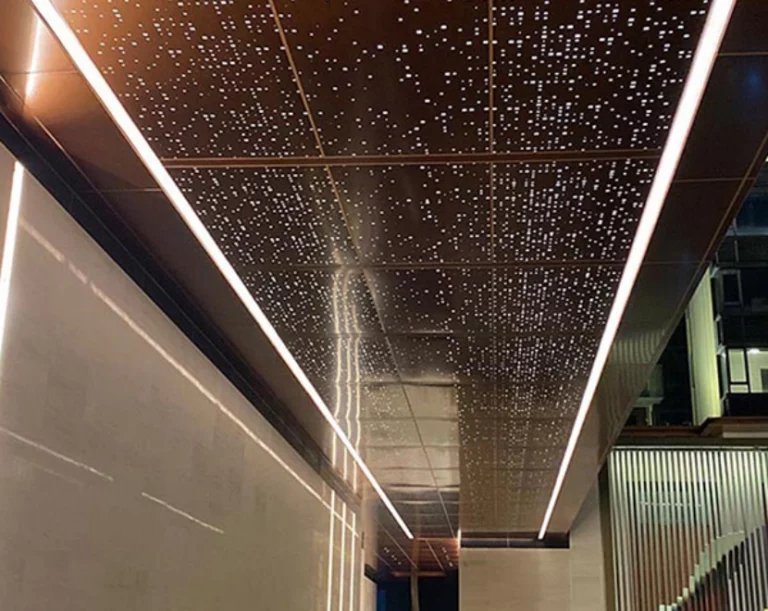
Lights change how things look at night. Bright spots pick out build points like posts or signs. They make spots that pull eyes from far away. Mixing soft glow lights with aimed rays adds full feel to rough metal sides like brushed stainless steel or holey panels.
Soft white boosts welcome feel; chill tones fit now simple style. Changing heat level quietly changes the air. It leaves material layers the same.
Blending Modern Hotel Facade Design with Cultural and Historical Context
Honoring the spot keeps real feel, not fake.
Incorporating Traditional Motifs
Laser-cut aluminum sheets from local designs link old ways with new tech without bumps.
Adaptive Reuse of Heritage Materials
Using back old bricks or metals keeps past alive and cuts trash—an idea liked by green-minded trips.
Contextual Color Palettes
Ground colors from near lands fit builds into places smooth. They don’t take over the view.
Weather Resistance and Structural Integrity in Modern Hotel Facade Design
How it holds up in tough spots sets long win.
Corrosion Resistance
Grade 316 shows top fight against salt harm, so it’s good for sea and dirty spots; that’s why folks call it marine-grade stainless steel. Picking sea-grade metals makes sure it lasts in wet beach air seen at lots of rest spots.
Wind Load Management
Facade setups need build work to push back local wind push with strong bases. They keep looks fine.
Thermal Expansion Considerations
Various metals grow at different speeds; exact plans stop bends or breaks in joins as time goes—a tiny miss that might cost tons down the road.
Future Trends in Modern Hotel Facade Design
New ideas keep changing what we look for in hotel builds. Skins that change shade by sun power better ease and cut power use—a peek at coming smart hotels. New stuff that cleans itself or shifts color will change upkeep ease and look change for times to come.
Inoxfurt Metal sits right where art meets careful making. Inoxfurt Metal has a full help setup for custom metal decor. It gives folks full help from idea start to fix after. Their skills in PVD coating, TIG welding, anodizing, and powder coating let builders make hard plans real. They skip losing work or green side. With a promise to “customer first, quality foremost,” Inoxfurt hands over not just building materials but lasting marks—helping hotels all over make facades that real say their brand talk through metal skill and new ways among top metal suppliers specializing in textured metal solutions for premium building materials projects.
FAQs
Q: What materials are best for coastal hotel facades?
316 stainless steel or anodized aluminum perform best due to high corrosion resistance against salt air exposure.
Q: How does PVD coating benefit facade panels?
It enhances color longevity, scratch resistance, and provides brilliant metallic finishes without environmental pollution.
Q: Can expanded metal cladding reduce energy costs?
Yes, it provides natural shading and ventilation that lower cooling demands significantly in warm climates.
Q: Why choose copper cladding despite higher cost?
Its evolving patina adds timeless beauty that resonates with cultural depth unmatched by synthetic alternatives.