

Metal tile corner trim is more than a visual detail—it’s an important part in getting both strength and good design in tiled areas. You might work on a fancy hotel bathroom, a business kitchen, or a home hallway. These trims guard tile edges, make setup easier, and boost the whole project’s worth. Their perks go way beyond looks, so that’s why builders and workers keep picking them for little fixes and big builds.
Overview of Metal Tile Corner Trim
Purpose and Function in Construction Projects
Metal tile corner trims do several useful jobs in building and inside design:
- They give edge safety for tiled spots, mainly at corners and changes where tiles can chip or break.
- They bring a neat, skilled finish that improves any tile setup.
- In busy spots or places with water and cleaners, metal trims shield the tile setup from damage and hits.
These pieces are really helpful for keeping things strong over time in both damp and dry spots.
Common Applications in Residential and Commercial Settings
From homes to public spots, metal tile trims work in many ways:
- Bathrooms and kitchens, where dampness and regular cleaning happen often.
- Hallways and living rooms, where you need smooth shifts between floor kinds.
- Business spots like hotel entrances, eatery kitchens, hospitals, and office spots.
They fit for both up and down (walls) and flat (floors) surfaces.
Popular Profile Options for Metal Tile Trim
Square Edge Trim
Square edge trim gives a strong, fresh look with sharp corners. It’s the top pick for modern insides that want straight shapes and clean edges.
Round Edge Trim
Round edge trims ease shifts between tiled spots, so they suit spots for families or easy access. Their bent edge also cuts down on sharp risks.
Bullnose Trim
Bullnose profiles have fully curved edges that offer a timeless finish—often used on counters or tiled wall tops to make gentle curves.
T-Shape Trim
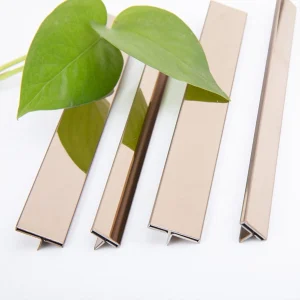
A T-shaped stainless steel profile is designed to bridge adjacent tile surfaces. It offers structural support while masking tile inconsistencies or gaps. Stainless steel decorative strips commonly have a T-shaped cross section, but different cross sectional shapes can be customized as needed.
L-Shape Trim
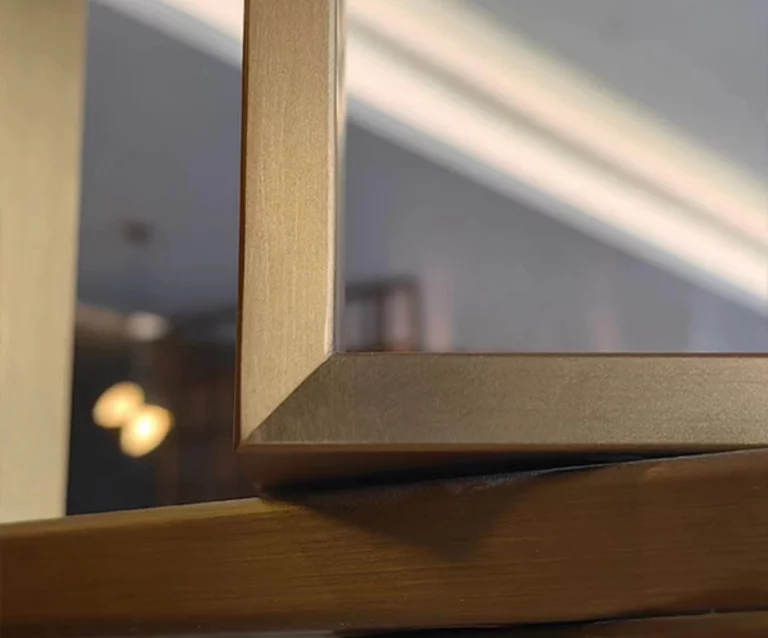
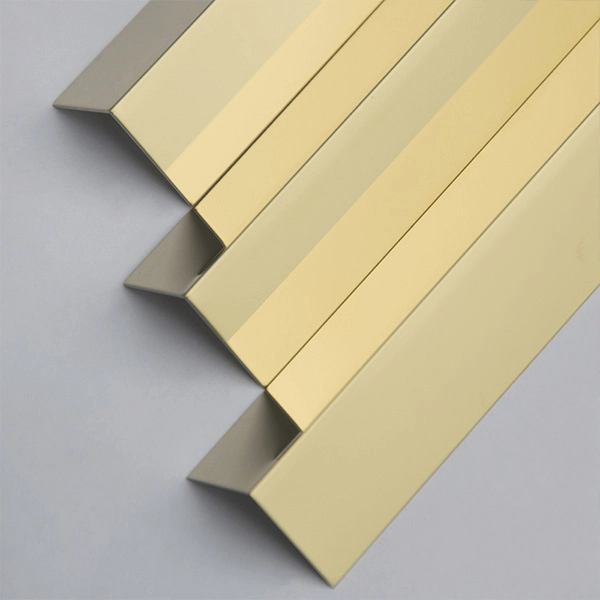
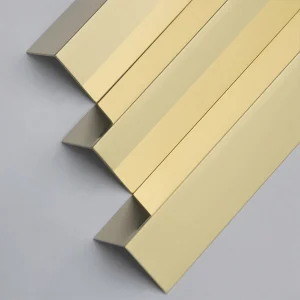
L-shaped trims protect external corners by wrapping around the tile edge at a 90° angle. They’re frequently seen on wall edges or the front edges of countertops.
U-Channel Trim
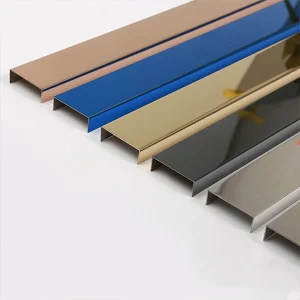
U-channel profiles encase tile edges completely. They’re often used for creating framed effects on feature walls or decorative insets.
Ramp Shape Trim
Ramp trims provide an angled transition between different flooring heights, making them useful for wheelchair accessibility and safety compliance.
Material Options for Metal Tile Trims
Stainless Steel Tile Trim Profiles
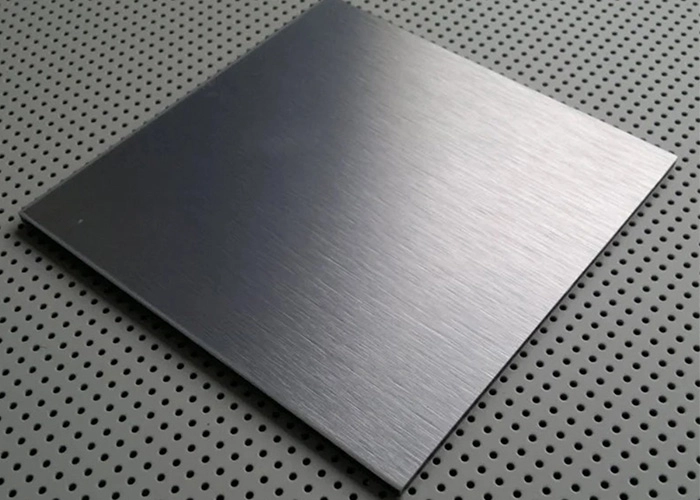
Thanks to its great power and rust resistance, stainless steel is one of the most picked materials for decoration. Especially in damp or chemical filled spots like kitchens and bathrooms, stainless steel trims give top notch toughness. With finishes like brushed, shiny, or tinted (such as black titanium or rose gold), they also match fancy inside styles.
Aluminium Tile Trim Profiles
Aluminium profiles are light but still firm. They can get treated in different finishes to go with tiles or building parts. For big setups, aluminium brings good value without losing style choices.
Key Benefits of Using Metal Tile Corner Trim
Enhanced Durability Across Applications
Metal trims beat plastic or ceramic ones in power and lasting time. Stainless steel decorative strips are strong and wear resistant, and can be used in areas prone to wear and tear, such as corners and floors, to protect edges, thus offering both practicality and durability.
Simplified Installation Process
These profiles fit with usual tiling tools and glues. Trims cut down on tough angle cuts or special tile shapes—and that saves time and work costs on the job.
Wide Range of Aesthetic Styles
From flat black to golden shades, metal trims come in lots of finishes. Stainless steel decorative strips come in a wide range of colors, and through PVD plating, various colors such as rose gold, champagne gold, and black titanium can be achieved, with durable and fade resistant color.
Minimal Maintenance Requirements
Smooth metal surfaces don’t hold dirt like rough stuff. Most just need a quick wipe with a wet cloth to keep their glow—no sealing needed.
Cost Efficiency Over the Long Term
By stopping tile edge harm, trims lower fix needs and stretch the life of setups. This helps a lot in busy public spots where stops mean lost money.
Environmentally Conscious Choice
Metal materials have two major advantages in terms of environmental protection: firstly, they are recyclable, with stainless steel and aluminum being 100% reusable through remelting; secondly, they are durable, with a long service life that reduces the frequency of replacement.
Versatile Design Applications
Decorative metal profiles can be customized to suit any environment—flooring transitions, wall borders, stair nosings, or even furniture edges.
Contribution to Property Value
Neat finishing touches often make big marks during checks or reviews. They show good building work and cut down on upkeep issues over time.
Customization Through Fabrication Services
Role of Custom Metal Fabrication in Construction Projects
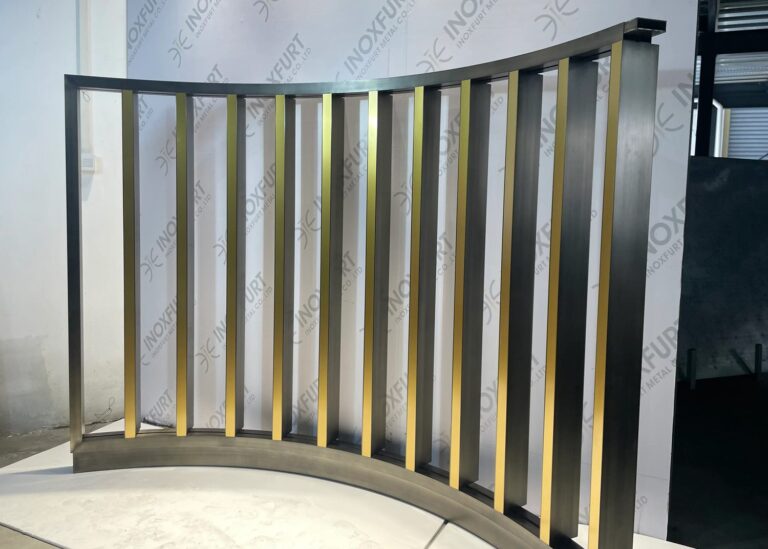
Custom making services help match sizes and finishes to exact design ideas. You might deal with odd tile thicknesses or need smooth fits with glass walls or wood panels. So customization matters a lot.
Inoxfurt Metal is one such building material supplier that supports international designers and developers with bespoke metal solutions—from concept to completion.
Integration with T–Shaped Stainless Steel Profiles
Using T-shaped stainless steel profile products enables seamless joining of surfaces while preserving alignment. When fabricated with precision, these profiles add cohesion to complex architectural compositions without distracting from the overall aesthetic.
Choosing the Right Supplier for Metal Tile Trims
Importance of Quality Assurance Standards
High precision trims ensure perfect alignment and finish. We strictly adhere to standards during quality inspection, and we will never release any products that do not meet those standards.
Evaluating Manufacturer Capabilities
Look for manufacturers who offer both standard profiles and custom fabrication services. Inoxfurt Metal, for example, We have a comprehensive metal custom decoration service system, providing customers with a full range of services from design and planning to after sales maintenance.
Their experience with decorative metal profiles in international hospitality and commercial projects makes them a preferred partner for high spec applications.
FAQs
Q1: Can I use metal tile trim in wet areas like showers?
Yes, stainless steel trims are highly resistant to moisture and corrosion.
Q2: What is the difference between T-shape and L-shape trim?
T-shape bridges two tiles side by side; L-shape wraps around an exposed corner.
Q3: Do metal trims require special adhesives?
No. Most are compatible with standard tile adhesives used during installation.
Q4: Can I get custom lengths or colors?
Yes, suppliers like Inoxfurt Metal offer custom fabrication including color finishes like rose gold or black titanium.
Q5: Is aluminium trim suitable for commercial use?
Yes, especially when anodized properly—it’s lightweight yet durable enough for many commercial applications.