

Brushed stainless steel and standard stainless steel might use the same alloy base. But their surface finishes bring unique traits, work variations, and practical uses. If your project weighs looks against function—say, a fancy lobby wall or a work kitchen backsplash—knowing these differences matters a lot. The quick answer: pick brushed stainless steel if texture looks and fingerprint hiding are key; choose standard stainless if clean upkeep, money savings, or health standards come first.
Overview of Brushed Steel and Stainless Steel
Characteristics of Brushed Stainless Steel
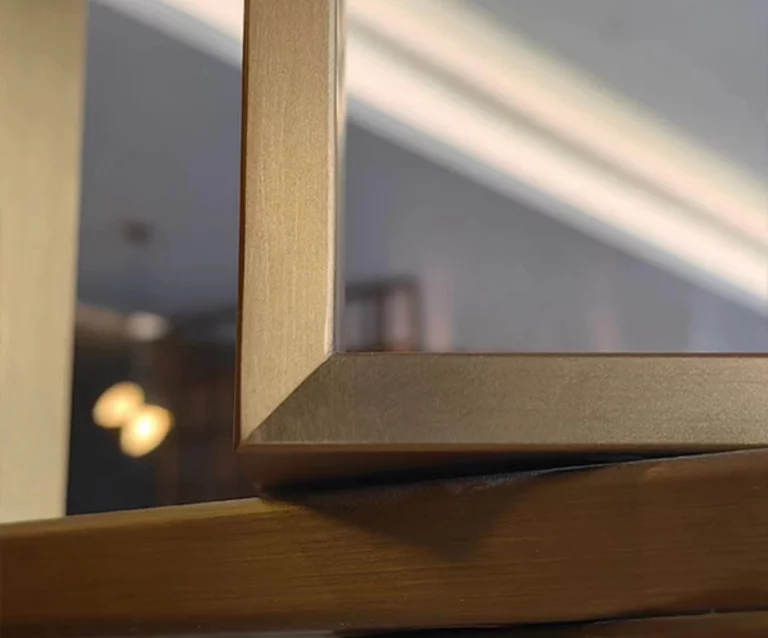
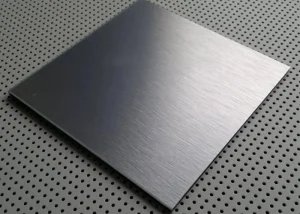
Brushed stainless steel shows a soft, flat finish. It forms by scrubbing the surface with a rough belt or pad in one way. This builds thin lines along the grain. Those lines scatter light reflection.
Brushed stainless steel has a flat, one way texture that cuts down reflections. It offers a fresh style—this gentle sight makes it perfect for jobs where little shine is liked.
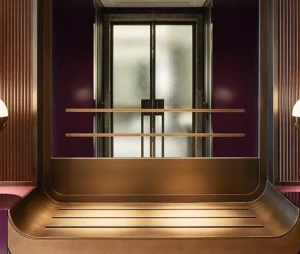
Also, the bumpy surface aids in covering small scratches and spots. So, it turns into a go to for appliance faces, elevator doors, and much touched wall parts in business areas.
Characteristics of Standard Stainless Steel
Standard stainless steel can show various finish kinds—from plain 2B to shiny mirror polished No. 8—based on the use. Polished stainless steel has a bright, mirror style surface with strong light bounce and a big visual effect.
No matter the finish, its main stuff has strong rust fight from its chromium part. This makes it very fitting for kitchens, health rooms, and build pieces.
Comparative Analysis: Brushed Stainless Steel vs Stainless Steel
Corrosion Resistance in Different Environments
Both finishes have close base stuff traits when from 304 or 316 types. They give reliable rust protection.
Yet, surface work boosts the lasting power of stainless steel. It betters its rub resistance, rust resistance, and mark resistance. Brushing might cut the passivation layer a tad on the surface. And its lines can hold dirt easier if not cared for.
For rough spots like beach zones or business kitchens, right upkeep is a must—mainly for brushed types.
Maintenance Requirements and Surface Cleaning
Brushed surfaces cover damage better. But they take more work to clean. Brushed or bumpy finishes often hide fingerprints and light scratches more than bright finishes. So, they call for less regular care.
Still, dirt can build in the grain path. And it may want special cleaners. On the other hand, even stainless steel is simpler to wipe clean. But it shows marks more.
Durability and Structural Strength Comparison
The brushing step does not change machine strength. Both finishes hold the pull and hit resistance built into stainless steel types like 304 or 316.
So, a 4×8 stainless steel sheet—brushed or polished—acts the same under weight loads.
Thermal Conductivity and Heat Resistance Performance
Both finishes stand heat the same. They fit hot jobs like business kitchens or factory building.
No real gap sits in heat spread rates or flow between finishes—what counts more is the base mix chosen (e.g., 316L for sea spots).
Weight Considerations for Fabrication and Installation
Finish kind does not touch weight.
A 4×8 stainless steel sheet in brushed or mirror polish weighs the same if from same thick and type. For example, a 16-gauge 304 stainless sheet in either finish weighs about 64 pounds.
Cost Factors Influencing Material Selection
Brushed finishes often add one more work step—rough treatment—which can lift costs a bit per square foot over plain finishes. Some surface works may start with higher prices. But because of their better lasting and low care needs, they save cash over time.
But for big batches or build jobs where cheap ways matter, standard finishes get chosen more.
Application Scenarios for Each Material Type
When to Use Brushed Stainless Steel in Projects
- Decorative wall panels
- Appliance front panels
- Elevator interiors
- Signage and branding installations
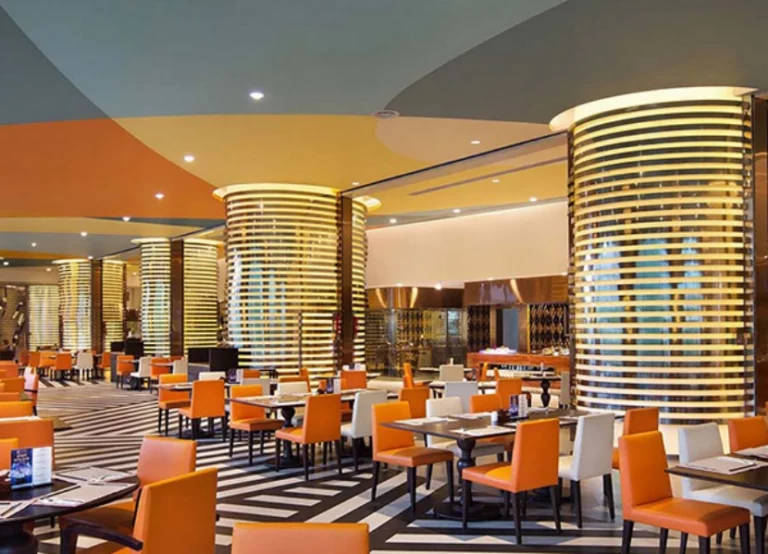
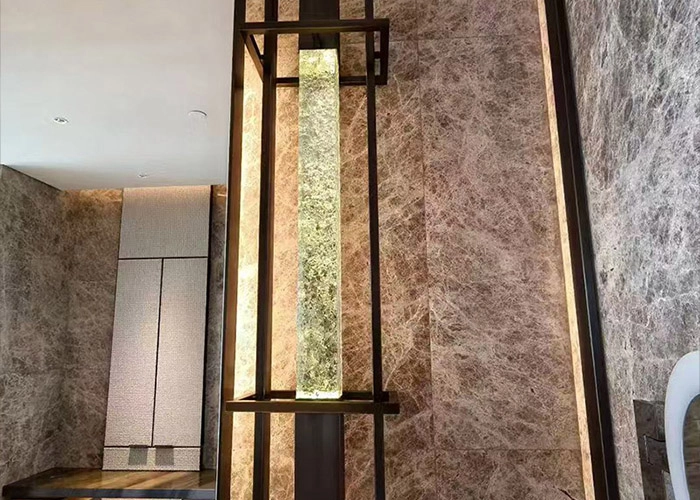
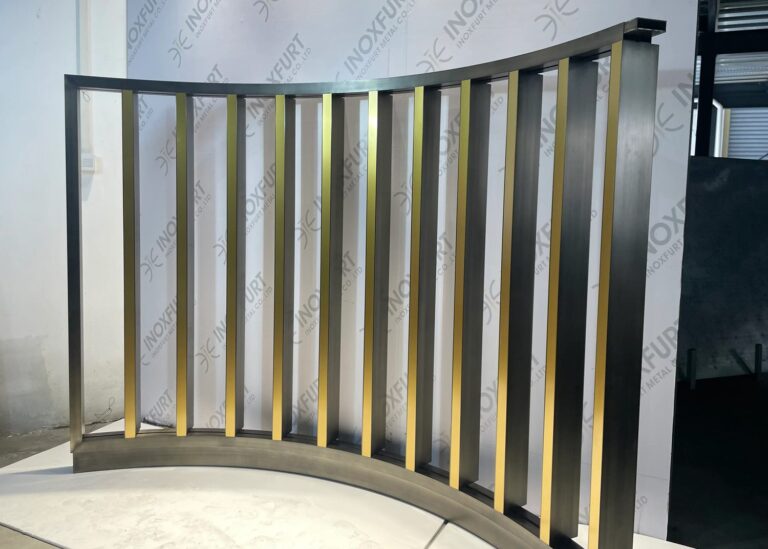
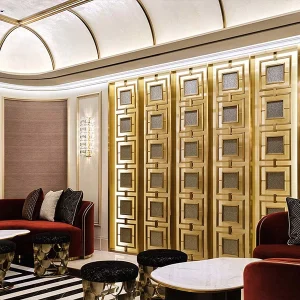
When sight charm tops the list and some rubbing is likely, brushed finishes give a fresh look. They keep surfaces pretty clean over days. For example, Inoxfurt Metal’s metal trims and decorative panels often pick brushed textures. They make smooth joins in fancy hotels and shop areas.
When Standard Stainless Steel Is More Suitable
- Restaurant kitchens
- Medical lab counters
- Loadbearing structural frames
- Hightraffic utility areas
Smooth stainless surfaces clean easier. They come more ready in many thick and types. These also join or weld simpler in big build projects.
Key Considerations When Choosing Between the Two Finishes
Project Requirements That Influence Material Choice
Think about these points:
- Will the surface meet water or chemicals?
- Is it a seen main spot or hidden build aid?
- What’s your client’s care limit?
- Are there tight money rules?
For example, Inoxfurt Metal teams up tight with builders and planners around the world. They tailor metal parts—be it for wet outdoor fronts or mark proof inside edges. This makes sure pick fits both place and look aims.
Aesthetic Preferences and Design Goals
If your plan calls for less shine and a soft factory feel, brushed stainless brings it easy. It goes nice with stone, wood cover, or flat paint finishes.
If you seek bounce, full, or sharp—such as in fancy shop shelves or art metal walls—a polished finish may help your goal better.
Common Questions About Brushed vs Stainless Steel Finishes
Potential Drawbacks of Using Brushed Steel in Projects
Surface lines can gather dirt or bits easier than shiny choices, mainly in wet air. With time, without steady clean, this might harm health or sight.
Cleaning Challenges with Brushed Surfaces Compared to Smooth Finishes
Bumpy surfaces take more push to clear junk from brushed paths. Wiping against the grain works poorer than with it. Smooth finishes may just take one fast rub. But they show each touch.
Magnetic Properties of Stainless Steel Grades Used in Projects
The pull to magnet act rests on alloy—not finish:
- Austenitic grades like 304 stay mostly non
- Ferritic grades like 430 pull magnetic no matter brushing or polish.
This counts when using magnetic hooks or show setups.
FAQs
Q: Is brushed stainless steel more expensive than polished?
Yes, slightly—due to additional processing steps involved in brushing.
Q: Can I use brushed stainless outdoors?
Yes, but choose marine grade alloys like 316L and ensure proper cleaning practices.
Q: Which is better for kitchen use: brushed or mirror finish?
Mirror is easier to sanitize; brushed hides fingerprints better. Choose based on visibility and hygiene needs.
Q: Are textured stainless steel surfaces harder to fabricate?
No—but deeper textures may need careful handling during bending or welding.
Q: Who makes custom brushed metal components?
Inoxfurt Metal specializes in custom metal décor solutions for premium hospitality and commercial projects worldwide.