

Quality stainless steel makes the difference between a project that just looks nice and one that lasts for many years. Checking its quality goes beyond looks. It ensures strong structure, good resistance to rust, and solid performance over time.
Why Stainless Steel Quality Matters in Construction and Design
Good stainless steel holds up well under pressure and bad weather. In today’s buildings, it provides both solid strength and nice looks. Stainless steel shows up more in inside and outside uses because of its style, power, and strong fight against rust. Poor materials might rust too soon or lose shine. This leads to expensive fixes.
Also, top-grade materials cut down on upkeep costs in the long run. When made right, they keep their surface even in busy spots like hotel entrances or public spots. Safety matters too. Quality checks stop failures in weight-bearing or pretty parts such as handrails or building fronts.
Common Applications of Stainless Steel Sheets in Modern Projects
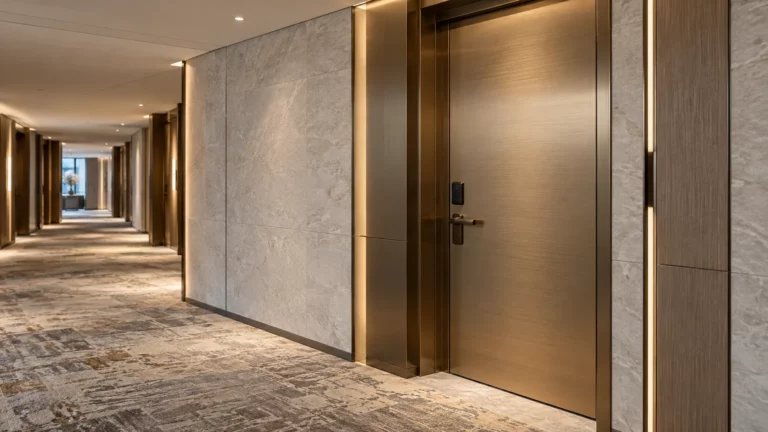
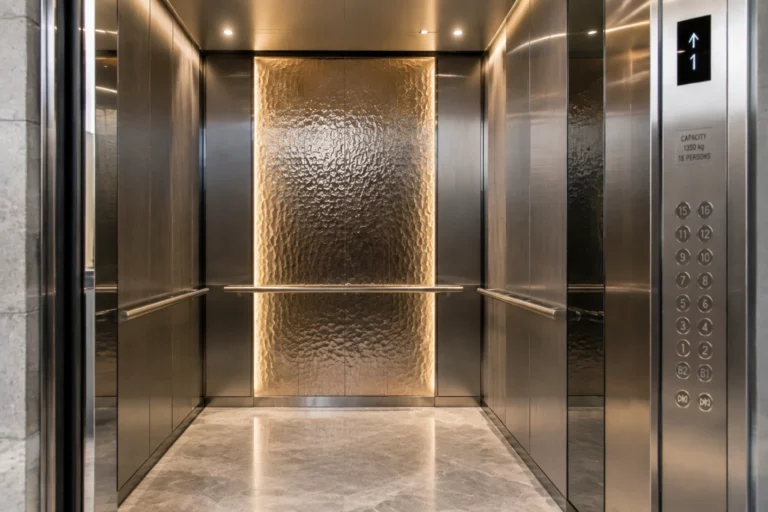
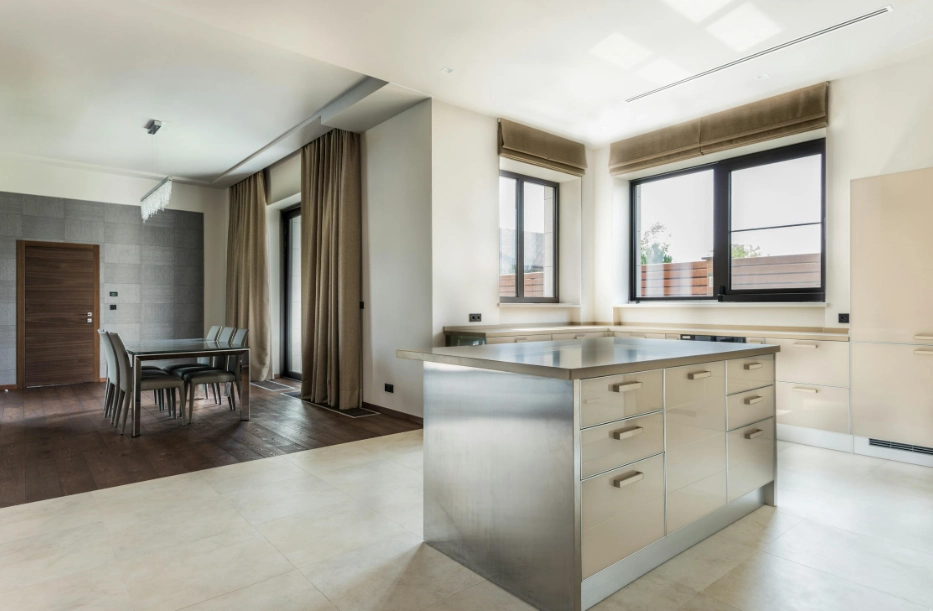
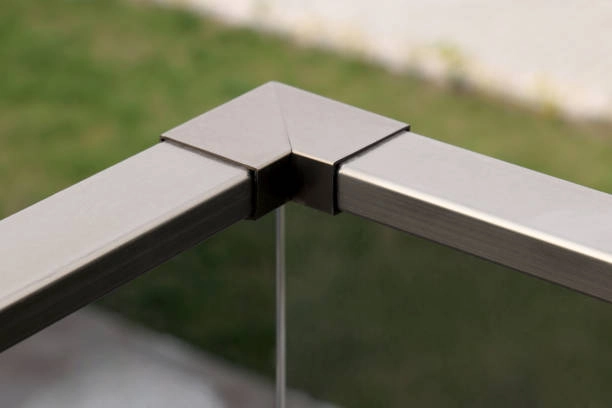
Stainless steel sheets appear in many places: building fronts, elevators, handrails, furniture frames, and dividers. Among different types, 304 stainless steel sheet stays the top pick because of its flexibility and rust resistance. 304 Stainless Steel is the most commonly used chromium-nickel austenitic stainless steel suitable for a variety of architectural applications. Custom work lets it fit into fancy design ideas. This is a strong point of Inoxfurt Metal’s architectural metalwork services.
Key Factors That Define Stainless Steel Quality
Knowing what sets one sheet apart from another helps make your project last longer.
Composition and Grade of the Material
The mix of elements decides rust resistance and strength traits. Stainless steel is a group of steel blends with at least 10.5% chromium. Adding nickel or molybdenum boosts toughness and hold-up in tough spots.
| Grade | Composition Highlights | Ideal Use |
| 304 | Chromium-Nickel | General indoor/outdoor use |
| 316 | Chromium-Nickel-Molybdenum | Coastal/marine environments |
| 430 | Chromium only | Interior decoration |
Choosing between 304 or 316 depends on the setting. Humid beach projects gain from the second one’s better rust shield.
Surface Finish and Appearance
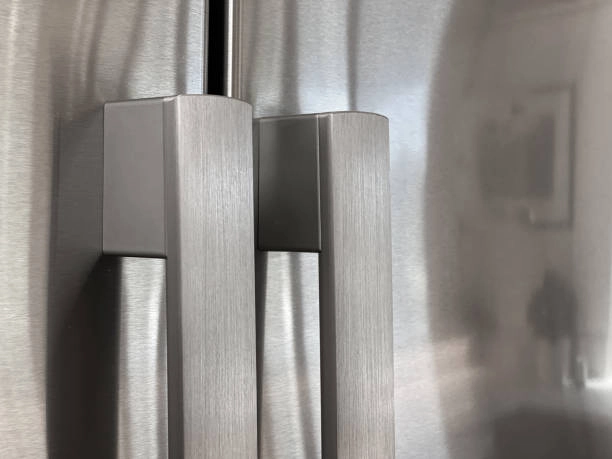
A sheet’s surface tells a lot about how well it was made. Different surface finishes including brushed (Hairline/HL), mirror (Mirror/8K), bead blasted, vibration, water ripple, etched, embossed are available to meet diverse design needs. A even texture without marks or dull spots shows careful finishing. Mirror finishes boost fancy inside spaces. Brushed finishes give simple grace fit for business areas.
Practical Tips to Check Stainless Steel Quality
Now let’s shift from ideas to real steps. Here are eight solid ways experts use every day.
Tip 1: Identify the Stainless Steel Grade
Always check grade marks on the package or right on the sheet. Match these details with what your project needs before you buy. Wrong labels happen more than you think in big markets.
Tip 2: Examine the Surface Finish Carefully
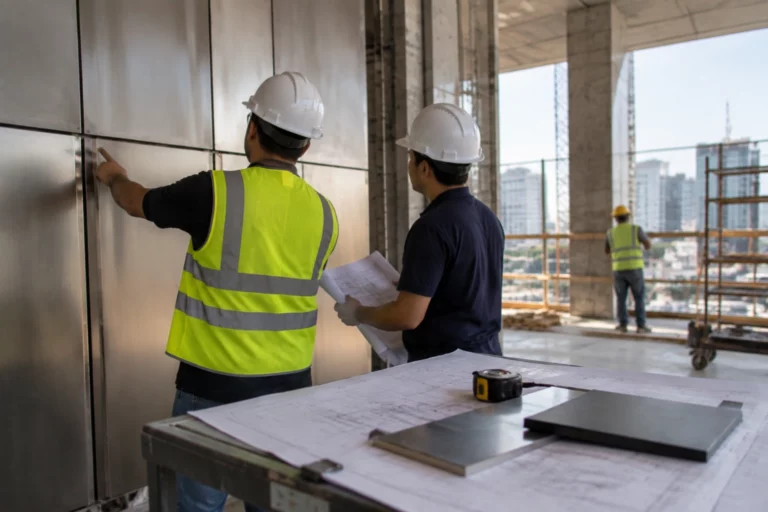
Look closely under normal light for steady shine all over. High-quality stainless steel sheets 4×8 should show even color without lines or holes. Tiny flaws on the surface often mean quick work or cheap polishing tools.
Tip 3: Perform a Magnetic Test
A simple on-site check uses a small magnet. 304 stainless steel usually does not stick or sticks just a bit because of its austenitic build. Strong pull points to ferritic types like 430 or mixed lots not right for rust-heavy areas.
Tip 4: Conduct a Corrosion Resistance Test
Put light saltwater on a small spot. Watch it after a few hours or days. Real stainless steel fights off rust in usual setups. This comes from its chromium oxide layer that fixes itself when scratched.
Tip 5: Look for Certifications and Standards Compliance
Good suppliers give papers showing ASTM or ISO approval. These papers prove steady strength traits across batches. That’s vital when buying lots for building systems.
Tip 6: Check Manufacturer Information and Branding
Known producers label their goods clearly. Inoxfurt Metal focuses on high-quality stainless steel, aluminum, bronze and brass. Our packages have trackable details. This ensures real goods from mill to setup site. It’s a good guard against fake stuff in some areas.
Tip 7: Examine Material Hardness and Thickness Uniformity
Use calipers at several spots. Changes beyond allowed limits can cause problems in making or setting up. Steady thickness means reliable bending in custom shaping.
Tip 8: Test Flexibility and Structural Strength
Bend a small extra piece a bit. Top-grade sheets bend easy without breaks on edges. Weak blends might warp for good under normal stress in building joins or welded parts.
Choosing the Right Stainless Steel for Your Project Needs
After you confirm quality points, match the material to weather needs and style aims.
Matching Grades to Environmental Conditions
For wet areas like beach hotels or baths, pick grade 316 with molybdenum that fights salt damage. For dry inside places like offices or shops, cheap but tough 304 stainless steel sheet works great. It keeps good looks too.
Balancing Aesthetics, Functionality, and Budget
Finishes do two jobs. They set visual style and boost work. Brushed surfaces hide finger marks better than mirror ones. But they show less light. Mirror-polished panels brighten small inside areas. Savings on upkeep often make up for higher start costs in better-grade materials with PVD coatings. Those resist fade or wear.
Ensuring Reliable Supply from Trusted Manufacturers
Finding steady supply partners can change things from smooth work to pricey delays.
Why Partnering with Specialized Suppliers Matters
Special suppliers give tech advice beyond just selling raw stuff. Inoxfurt Metal is a fresh company that blends design, R&D, production, and worldwide sales of stainless steel decorative products. Our full setup from idea design through engineering help ensures steady outcomes in global hotel projects. There, exact timing counts a lot.
Key Qualities to Look for in a Stainless Steel Supplier
Look for firms with real know-how in fields like hotels or business buildings. Inoxfurt Metal has finished over 2,000 projects in more than 70 countries. We use strict QC from design to delivery. This guarantees exactness and top finish in every bit. Openness about where we get materials shows strong inside quality systems. Those are key for long ties.
High-quality stainless steel isn’t just about bright shine. It means solid engineering mixed with art. From picking right types like 304 stainless steel sheet to checking supplier trust like Inoxfurt Metal’s world network, each part helps reach lasting building success. It stands strong and pretty against time and weather.
Common Questions About Checking Stainless Steel Quality
Real worries often pop up when checking truth on site.
How Can I Tell If My Stainless Steel Is Genuine?
True material fights rust even after test exposure. It feels heavy but not too much when you hold it. Magnet pull differs by type. But it should never stick strong if marked as austenitic like 304.
What Is the Difference Between 304 and Other Grades?
304 gives great all-around rust fight at fair price. Grade 316 holds up in rough sea air thanks to extra molybdenum. That boosts pit resistance much more than basic mixes like 430 or 201 series options.
Are All Stainless Steel Sheets 4×8 the Same Quality?
No way. Differences show in thickness fit (±0.05 mm usual), shine depth evenness by gloss units (GU), grain line match for brushed kinds (HL), plus inside clean level that affects weld work later in making steps.