

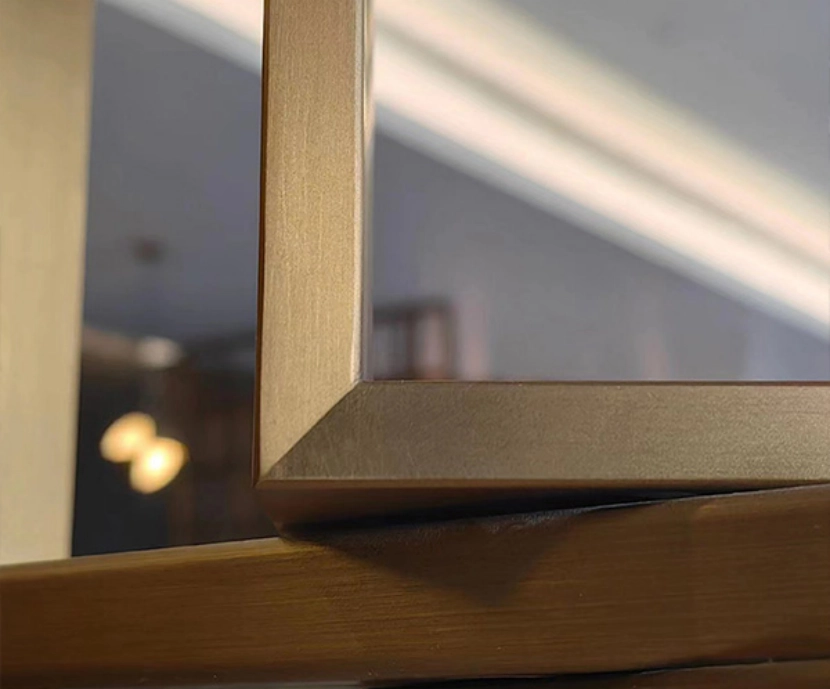
If you work with stainless steel sheet metal and want that clean, modern vibe, going for a satin or brush finish works really well. These looks make things look sharp. Plus they cut down on glare and help hide fingerprints better. The cool part? You can do this yourself, even on big full-size 4×8 stainless sheets, as long as you have the right stuff and take your time.
Understanding Satin and Brush Finishes on Stainless Steel
What Is a Satin Finish?
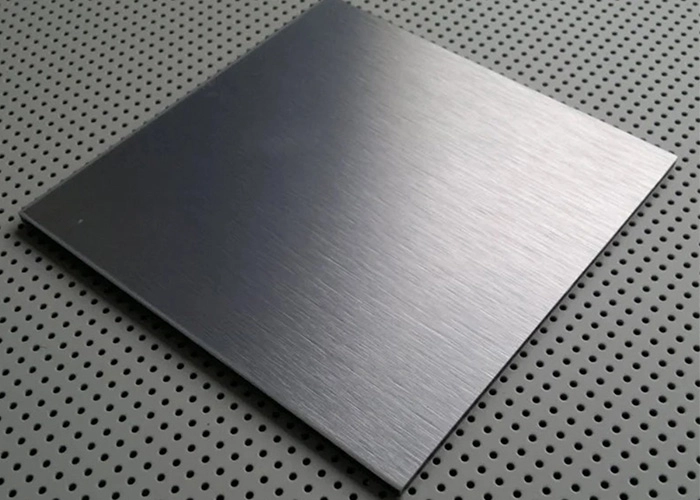
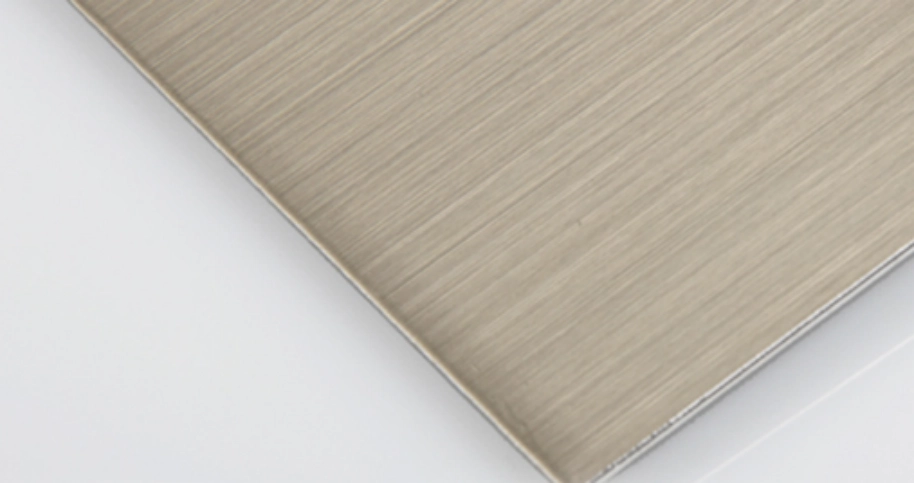
Satin finish gives a nice smooth, matte look with just a little shine. It doesn’t flash like super-polished steel, but it still feels classy. In the stainless world, people usually call this a No.4 finish.
It kills reflections and looks pretty modern. That makes satin great for spots where hands touch a lot—like kitchen gear or elevator walls—since it hides smudges and tiny scratches okay.
What Is a Brush Finish?
Brush finish feels rougher than satin. You get those clear straight lines from rubbing with rough tools. The lines cut glare and add a touch you can feel. Folks like it in homes and businesses alike.
These textured kinds hide fingerprints and small wear way better than shiny polished stuff. So they need less cleaning. That’s why you see brush finishes on busy places like building fronts or inside panels.
Tools and Materials Needed for Surface Finishing
Essential Equipment for Brushing or Satin Finishing
To get either look, grab these basics:
- Abrasive belts or pads (try 120–320 grit, pick based on how rough or smooth you want it)
- Angle grinder or belt sander that lets you change speed
- Cleaner made for stainless or a good degreaser
Grit matters a bunch. Stuff like 120 grit leaves deeper marks for a coarser feel. Go up to 320 and it turns finer, more like satin.
Safety Gear and Work Area Preparation
Don’t skip safety. Put on gloves, safety glasses, and a dust mask or respirator. Make sure your space has good air flow. Keep dust and junk away so nothing sticks in the fresh finish.
Preparing the Stainless Steel Surface
Cleaning the Surface Before Finishing
First thing, clean the sheet really well. Get rid of oil, dirt, grease—everything.
You usually have to clean stainless often to keep it looking good and strong. This step makes sure the finish goes on even and sticks right. Use a degreaser safe for stainless, then dry it completely.
Inspecting for Scratches or Imperfections
Look over the surface close before you start brushing. Deep scratches? Sand those down with coarser grit first. Check that the sheet lies flat too. If it’s wavy, the lines will look uneven later.
Applying a Satin or Brush Finish Step-by-Step
Choosing the Right Grit Level for Desired Finish
Grit changes how it looks and works:
| Grit Level | Texture | Application Area |
| 120 | Coarse | Industrial panels, heavy-use surfaces |
| 240 | Medium-smooth | Kitchen counters, wall panels |
| 320 | Fine/satin | Decorative interiors, furniture trim |
Higher grit means smoother result. Pick what fits your project.
Brushing Technique for Uniform Grain Direction
Always go the same way—usually along the long side of the sheet. Use steady pressure with your belt or pad. That avoids burn spots or wavy marks. If you rub back and forth all random, you end up with swirls. Nobody wants that for a clean satin or brushed look.
Inoxfurt Metal sticks to this rule hard when they finish their fancy stainless pieces. It keeps everything looking perfect.
Final Cleaning and Inspection of Finished Surface
When the lines look even and you like the finish:
- Wipe dust off with a microfiber cloth
- Check it under different lights to see if the texture matches everywhere
- Hunt for any spots you missed or uneven bits
A good finish should push dirt away easy and not need much care.

Common Applications of Satin and Brush Finishes on Stainless Steel Sheets
Residential and Commercial Interior Uses
You spot 4×8 satin or brushed stainless sheets in lots of places:
- Kitchen appliances like fridges and ovens
- Cabinet fronts · Elevator insides
- Wall panels for decoration
Stainless steel stays popular for decor because it’s tough and doesn’t rust easy. It fits almost any style, from rough industrial to fancy modern.
Industrial and Architectural Applications
People use brushed sheets for outside cladding, signs, and machine covers. They hold up to wear but still look nice.
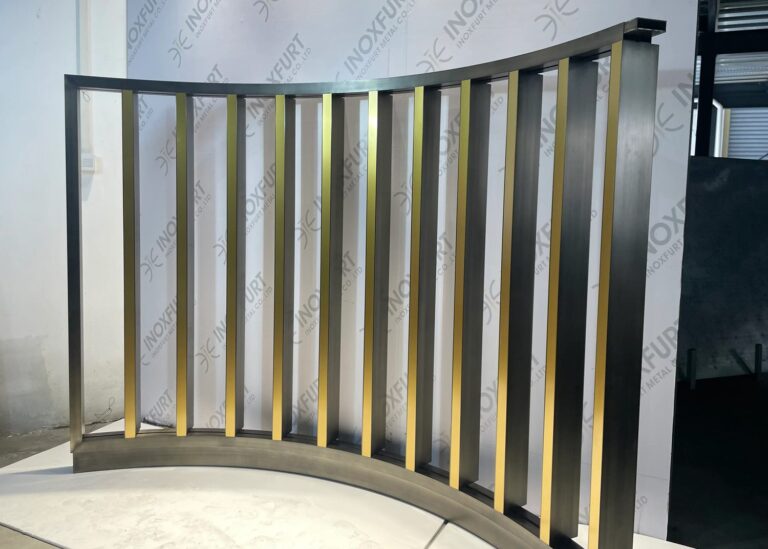
Inoxfurt Metal’s facade systems often take brushed stainless and layer it on honeycomb panels. That keeps big sheets flat without bending or warping.
Tips for Maintaining Satin or Brush Finished Stainless Steel Sheets
Routine Cleaning Practices to Preserve Appearance
Just use mild soap, warm water, and a soft cloth. Skip scrubby sponges—they’ll mess up your nice lines.
How much cleaning you need depends on the finish. But regular wipes keep it looking sharp.
Avoiding Damage During Daily Use or Installation
Always do this:
- Put protective film on during moving or cutting
- Wear padded gloves so you don’t leave oil marks
- Keep sharp things away to avoid gouges
For professional grade satin and brush finishes on stainless steel, trust Inoxfurt Metal’s expertise. Explore our high quality stainless steel sheets and decorative finishes for your next project! Visit us today to get started.
FAQs
Q1: Can I achieve a satin finish without professional machines?
Yeah, hand pads or an orbital sander with fine grit can give you a decent satin look. It won’t be factory perfect, but it works okay.
Q2: How do I fix an uneven brush pattern?
Go over the whole thing again with steady pressure and the same motion. If it’s really bad, start with coarser grit and work your way up.
Q3: What’s the difference between No.4 finish and brush finish?
No.4 is the standard name for that classic satin brushed look. “Brush finish” just means any visible lined texture from brushing.
Q4: Is PVD coating compatible with brushed finishes?
Sure. Lots of brushed sheets get PVD added after for color and extra toughness.
Q5: Does brushed stainless show fingerprints?
Way less than shiny polished ones. That’s exactly why people pick it for kitchens, elevators, and spots everyone touches.