


A patina finish gives more than just a nice old look — it boosts the strength, feel, and character of metal surfaces. This can happen on its own over many years. Or, people can make it happen fast. For folks like designers, builders, and makers who want a mix of old-style looks and real toughness, knowing all about patina helps bring out the best in metal.
What is Patina Finish
Natural Formation on Metal Surfaces
Patina means the top layer that builds up over time on metal items from long contact with air, water, and stuff in the air like dirt. This is a normal rusting process. You see it most on metals such as copper, bronze, and brass. The famous blue-green color on old copper roofs or statues — like the Statue of Liberty — shows this change well.
Artificial Techniques for Accelerated Results
To copy this old look without waiting ages, workers and makers use careful chemical mixes to start the patina. They apply acids, salts, or vapors in set-up spots. This way gives steady color and feel. It works great for building or art pieces that need the same look all over.
Metals Commonly Used for Patina
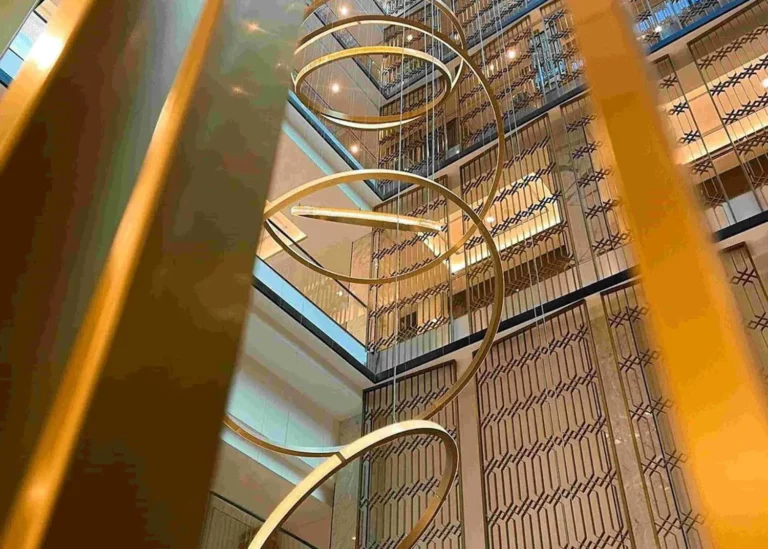
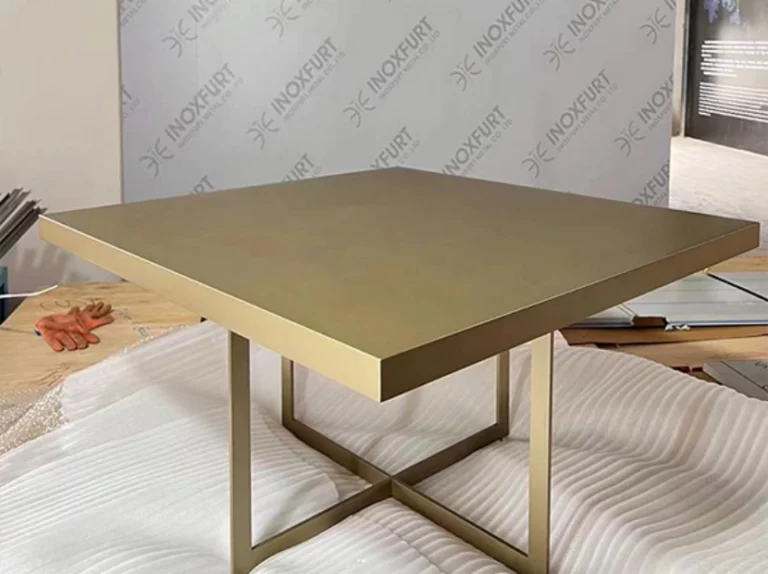
Copper and its mixes (bronze and brass) react the most. So, people use them a lot for patina finishes. Stainless steel and aluminum can get treated too with special ways to get like effects. For instance, Inoxfurt Metal can add copper layers and old-style finishes to stainless steel sheets. This makes decorative panels that seem just like old bronze. Yet, they keep the power and long life of stainless steel.
Functional and Decorative Uses
Patina helps both in looks and in work. It makes things nicer to see while it guards against more rust. This makes it a top pick in architectural metal works, art statues, and fancy inside details.

Applications Across Design and Construction Fields
Architectural Elements and Facades
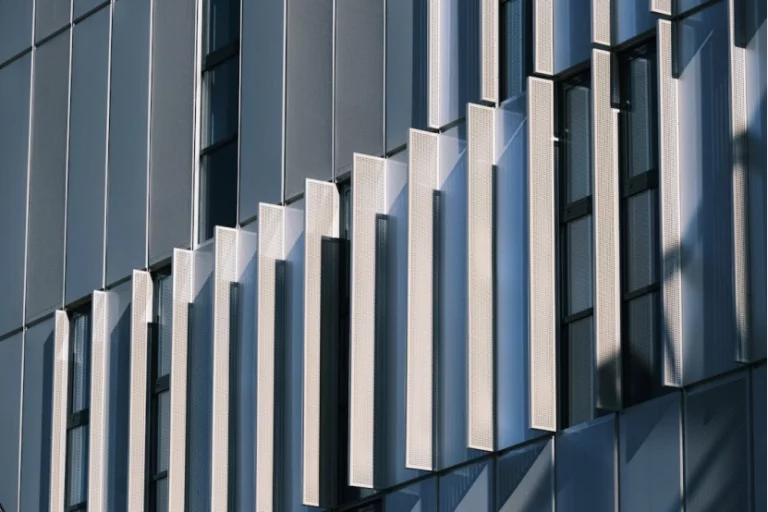
Patina’s worn finish adds old-time feel and richness to stainless steel facades or bronze covers. It works well in big architectural metal works. This includes operable wall partitions where a special surface can mark shifts between useful areas.
Artistic Sculptures and Installations
Lots of artists add patina on purpose to build mood, richness, and difference. Outdoor public art gains a lot from patinated finishes because they stand up to weather and have an old grace.
Interior Design Features
Things like furniture bits, light holders, cabinet covers, and main walls can all gain from patina finishes. Designers use it to add old or factory vibe without losing new strength.
Jewelry Crafting with Patina Finishes
In handmade jewelry, patina brings a range of colors without fake dyes. Brown, green, blue — these shades come right from how metal reacts with added stuff.
Outdoor Decor in Landscape Architecture
Garden statues, fences, plant holders — these items get a country charm when treated with a patina that copies natural aging. At the same time, it shields from wind and rain.

Chemical and Environmental Mechanisms Behind Patina
Oxidation Reactions on Metal Surfaces
Patination comes from slow surface rust that settles into a guarding film. On copper, this often shows as blue-green copper carbonate. On bronze or brass, darker colors appear.
Role of Humidity, Temperature, and Pollution
Stuff in the air plays a big part in how patina grows. More wetness speeds up changes. Heat and city dirt change the colors and designs that result.
Formation of a Durable Protective Layer
This outside layer works like a shield — it slows more rust. That’s why many old bronze statues stay whole after years outside.
Controlled Laboratory or Workshop Reactions
In pro places like those at Inoxfurt Metal, finishes get made under tight watch. This ensures the same quality every time across jobs.
Varieties of Patina Finishes Available
Naturally Occurring Surface Changes Over Time
These finishes are one-of-a-kind and uneven — no two spots age the same. People value them for being real. But they take years to show up.
Artificially Induced Finishes with Specific Agents
Usual agents include vinegar vapors (for spotty blues), ferric nitrate (for warm reds), or liver of sulfur (for dark brown/black). These let you guess the results ahead.
Colored Variants Through Chemical Combinations
- Blue-green: from copper oxidation
- Brown-black: from sulfur-based reactions
- Deep red: from heat plus ferric nitrate
Matte Versus Glossy Surface Effects
The last seal decides if the surface bounces light gently or strongly. Wax finishes give matte looks. Lacquers can boost shine.
Advantages of Using Patina Finish in Projects
Enhanced Visual Texture and Depth
Stacked shades bring in detail — a main part in fancy design talk.
Resistance to Corrosive Environments Over Time
The principle involves using stainless steel or other metals as a base material, depositing a copper-colored coating through electroplating or vacuum deposition, and then applying an aging treatment to create an antique bronze effect on the surface.
Environmentally Sustainable Finishing Option
Less need for man-made paints or covers makes patina a greener choice.
Reduced Need for Frequent Maintenance or Replacement
The finish gets better over time instead of wearing out — this gives it an edge in busy or open spots.
Classic Appearance That Ages Gracefully
Instead of getting dull or coming off, patina gets deeper with time — perfect for places built to last.

Methods for Creating Patina Finishes Effectively
- Heat Application for Oxidation Acceleration: Torches can change metal makeup quick. Artists often pick this for strong color changes.
- Use of Chemical Solutions Like Acids or Salts: Each mix gives different shades based on strength and how long it sits.
- Salt Water Exposure for Simulated Marine Aging: Spraying salt water copies shore rust — a common way for copper panels in outdoor building.
- Liver of Sulfur for Dark Tones on Copper Alloys: This stuff always makes rich browns and blacks — liked in statues and jewelry.
- Fume-Based Treatments with Ammonia or Vinegar: Fume rooms bring on wild but pretty patterns without touching the chemicals straight.
Best Practices for Maintaining Patina Finish Integrity
Cleaning Methods That Preserve Surface Layers
Use soft cloths and gentle soap. Skip soaking or hard rubbing.
Avoiding Abrasive Tools During Upkeep
Steel wool or wire brushes? No way — they’ll scrape off your hard-worked finish.
Applying Sealants to Extend Longevity
Clear lacquers or wax-based sealants help keep color strong over time. For example, after the antique bronze finish is completed, a transparent clear coat is applied as a protective layer to improve weather resistance and prevent fingerprints.
Protecting from Harsh Cleaning Chemicals
Strong acid or base cleaners can wreck both made and natural patinas if you don’t test them first.
Special Considerations for Outdoor Installations
Based on weather, you might need to reseal now and then — especially in spots with acid rain or sea air.
Common Pitfalls in Working with Patina Finishes
Excessive Cleaning That Removes Desired Effects
Let the surface breathe a bit — too much washing can wipe out years of nice rust buildup.
Use of Rough Materials During Maintenance Tasks
Don’t wreck hours (or years) of work with one rough clean.
Application of Strong Chemicals Without Testing First
Always try finishes on extra bits before the real thing.
Neglecting the Importance of Protective Coatings
Leaving a patinated surface without seal asks for spotty wear from prints, wet, or sun.
Inconsistent Application Techniques Across Surfaces
No control leads to spots — which is okay if you like a natural feel, but not good for business uses like operable wall partitions or stainless steel facade elements.
As a leading custom manufacturer of architectural metals for global hospitality and commercial projects, Inoxfurt Metal possesses comprehensive processing capabilities, including sheet metal forming, welding, grinding and polishing, and surface plating. Whether your vision leans toward classical opulence or industrial minimalism, their precise control over finishing processes ensures consistent results that align with high-end design specifications.
FAQ
Q1: Can stainless steel be given a patina finish?
Yes, using specialized coatings or chemical treatments designed for low-reactivity metals like stainless steel.
Q2: How long does an artificial patina last?
With proper sealing and maintenance, it can last decades without significant fading or damage.
Q3: Is patina safe for indoor use?
Absolutely. Once sealed, it poses no off-gassing risk and maintains aesthetic value indoors.
Q4: Will weather affect the look over time?
Outdoor exposure may subtly shift tone unless sealed regularly — but many view this as added charm.
Q5: Can I request a custom patina tone?
Yes. Companies like Inoxfurt Metal offer custom-matched finishes based on reference samples or design intent.