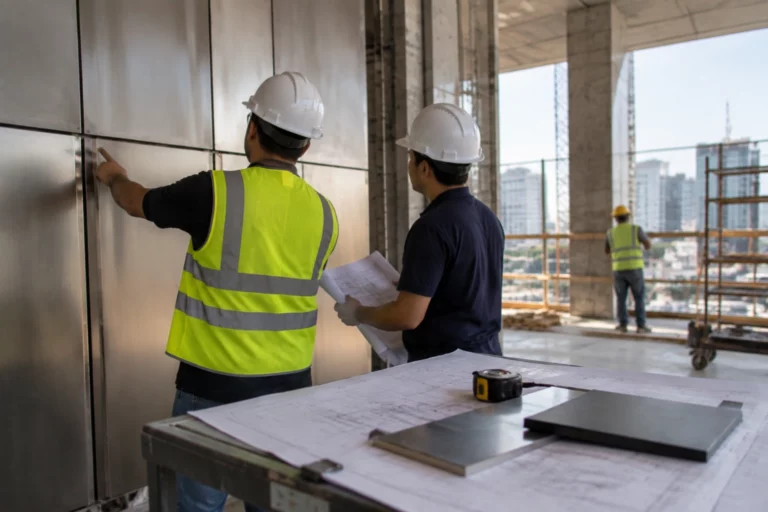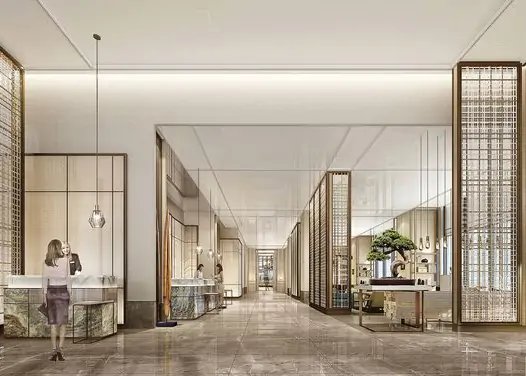


Decorative metal screens, also known as decorative metal partitions, work as flexible building parts that split inside spaces. They add layers, depth, and eye appeal at the same time. These setups change wide areas into lively spots by giving split without full close-off. Metal stuff like stainless steel and aluminum stand out as top picks for making fine screens. This comes from their lasting build, nice look, and fit in new building work.
What is a decorative metal screen?
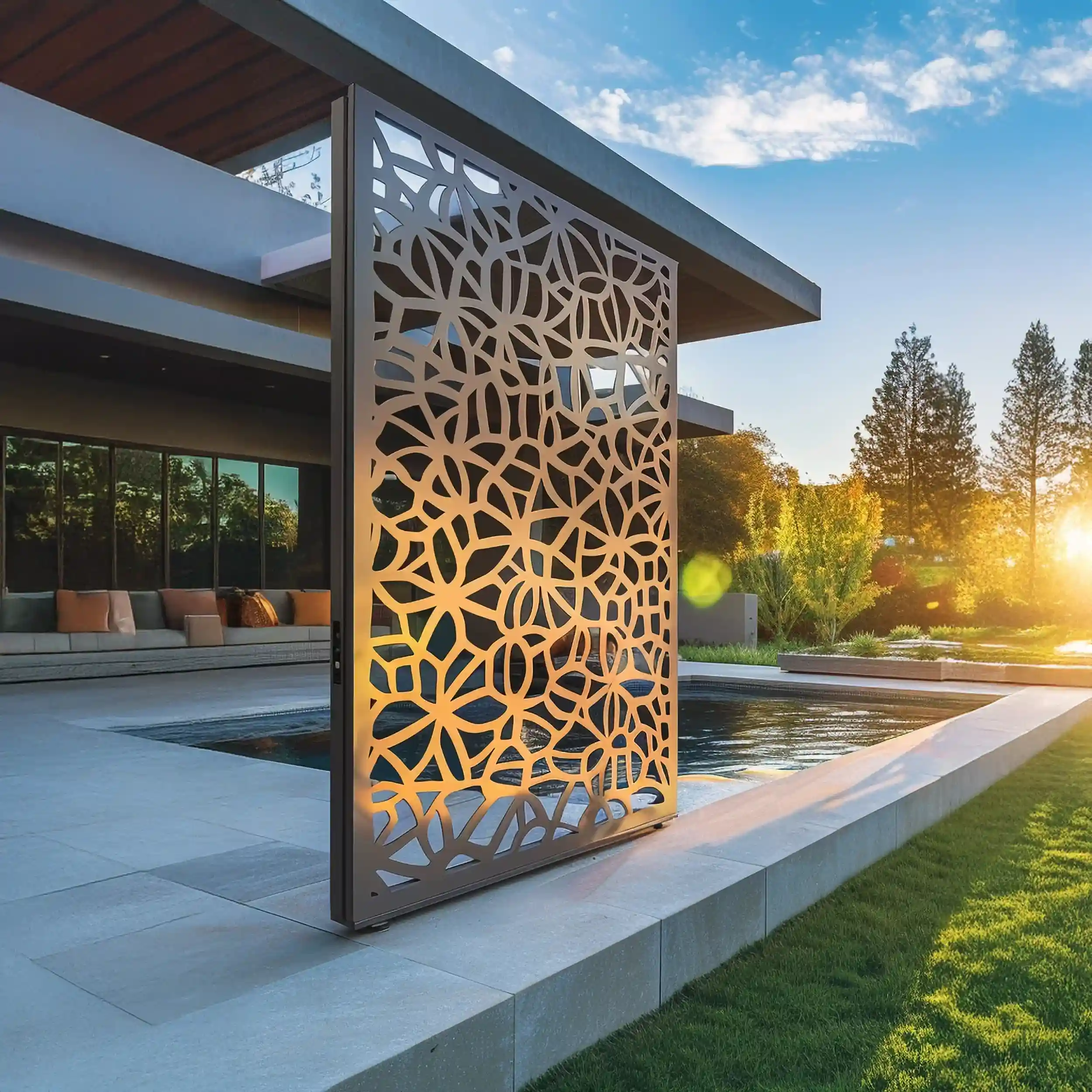
A decorative metal screen, or decorative metal partition, means a face or space-split part made mostly from metal stuff. Its main goal mixes space split with decor boost. Unlike old full walls, these screens bring open feel, light spread, and art show. Yet, they keep useful edges.
Metal screens fit smooth into inside plans. They often serve as key spots in big rooms or quiet splitters in open setups. Stainless steel shows for its top feel and long life. It lets detailed shapes that mix old ways with new use. These parts grow space full, so natural light goes through. They also make sight order in shop or guest spots.
Product features of decorative metal dividers
Decorative metal dividers give clear gains based on stuff traits and new make skills.
First, they bring a special metal feel that shows high class and fine touch. No other stuff matches this. Stainless steel gives a top look that lifts any inside space.
Second, face work picks are many. They include electroplating, spraying, sandblasting, PVD coating, brushing, mirror polishing, etching, and anti-fingerprint work. These steps make different sight and touch results. Examples go from soft shine ends to bright color or old looks.
Third, build strength lets very tall and very big setups. Custom build backs wide places without losing steady hold.
Fourth, great lasting marks these goods. Metals fight bugs, rust, and rub. They keep good work over time in many spots. Stainless steel types like 304 fit inside use. Type 316 works well in sea or hard spots.
Fifth, green gains come from high reuse rate. Metal parts keep good worth at end life. This backs green build ways.
Sixth, top fire fight meets hard rules for tall and very tall builds. Aluminum and stainless steel give good fire hold by nature.
Other strong points include light picks with aluminum, exact shape make through laser or CNC ways, and fit with mixed stuff for better use. Such as, link with glass or light parts.
Types of decorative metal partitions
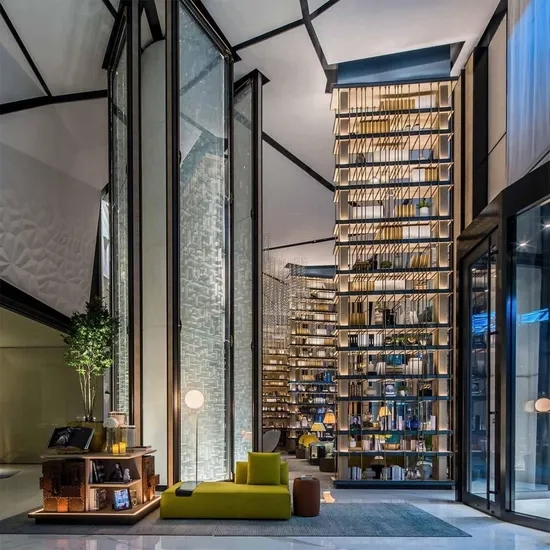
Decorative metal partitions group mainly by base stuff. They have more changes based on shape styles.
Stainless steel partition
These mix stainless steel plates or tubes. They offer rust fight and flexible ends. Sub types include tube-welded partitions and laser-cut plate partitions.
Stainless steel tube partitions use shapes from cut and welded pipes. Then, they get polish and PVD coating or spraying. They give strong 3D feel and shape bend. But, welding needs care to cut shape change.
Stainless steel plate laser-cut partitions use exact cut of full sheets. Then, they get frame and put together. Shapes go wide with few limits. They bring full details, but thicker stuff adds weight.
Iron partition
Iron-base picks copy stainless steel ways with pipes or laser-cut plates. Face work stays more small due to less weather hold. Picks often include painting, lamination, or old copper looks.
Aluminum carved CNC partition
Full aluminum sheets get CNC work for hard 2D or raised 3D shapes. Frames often use aluminum or stainless steel. Gains include lower cost and less weight than same stainless steel plates. Plus, more 3D form. Note that CNC tools set a small bend on sharp ends unless high-power laser cut adds help.
Brass carved CNC partition
Brass plates let fine looks, but base stuff costs more. Frames may use brass or stainless steel. Fake copper work on other metals often gets close sight results at less cost.
Metal mesh partition
Woven or spread metal mesh makes the main part in a strong frame, often stainless steel. Special cloth-like shapes come out. Hard glass can pair with mesh to keep feel while cutting straight touch.
Mixed stuff setups grow picks more. Examples include stainless steel frames with braided leather, crystal bricks, colored raised glass, laminated art glass, wooden shapes, or CNC aluminum adds. These mixes balance looks, sound hold, and use.
Classified by design style, partitions encompass traditional Chinese motifs, classical European elegance, Islamic jali-inspired geometric patterns, and modern minimalist approaches. Each adapts to project themes while maintaining structural integrity.
Processing procedure of decorative metal divider
Make changes by type but follows set steps for exact and good quality.
For stainless steel or iron pipe dividers: site sizes lead to shape check, pipe cut, welding, polish, face work, and guard pack.
Stainless steel or iron plate laser-cut dividers use sizes, shape okay, laser cut of plates, grind and polish, frame weld, face end, and pack.
Aluminum carved dividers go from sizes and shape to CNC work of full plates, grind, frame weld, face work, and last pack.
Metal mesh dividers need sizes, shape check, mesh buy or make, cut to size, outer frame weld, face put, and pack.
All through, new ways like laser cut, CNC work, different weld types (like TIG for exact), and house PVD coat spots keep tight quality watch. Link with systems like aluminum honeycomb panels boosts build work where needed.
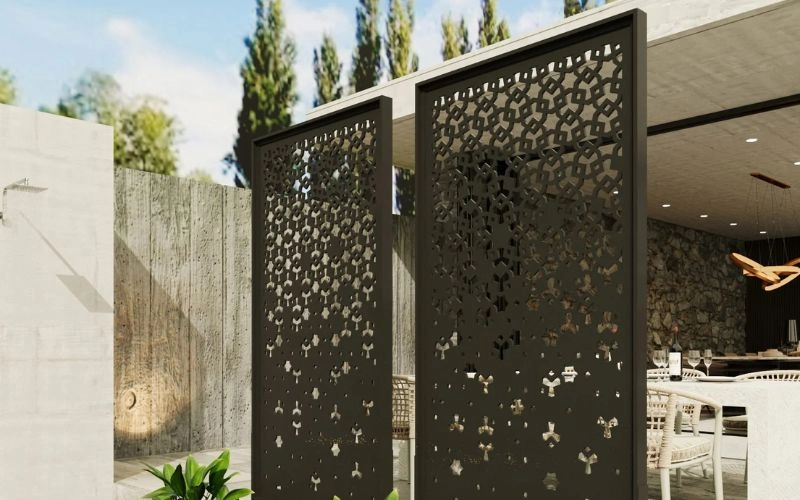
Application cases of decorative metal screens
Decorative metal screens show in guest, shop, and fine home work around the world. In top hotel fronts, wide stainless steel laser-cut splitters make strong enters. They spread light and lead guest move. Tube-welded shapes add work fine in eatery splitters. They split eat zones without losing open.
Islamic-based jali shapes in metal mesh or hollow splitters give culture fit in Middle East guest spots. They offer private with air flow. New simple screens with brushed or PVD rose gold ends mark open office areas. They boost sound and sight draw.
Big CNC aluminum carves with 3D raised shapes serve as key walls in casino or shop spots. They mix art with lasting. Mixed setups with laminated glass give sound hold in meet spaces.
World work shows bend: custom splitters in star hotels get smooth fit with new insides. Outside-rated stainless steel 316 screens hold up in sea growths. These sets always give layered space feels, fire rule meet, and long look keep.
FAQ
What materials are commonly used for decorative metal screens?
Common materials include stainless steel (grades 304 and 316), aluminum, iron, brass, and bronze. Stainless steel offers superior corrosion resistance and finish versatility, while aluminum provides lighter weight and cost efficiency for carved designs.
How do surface treatments affect decorative metal partitions?
Surface treatments such as PVD coating, brushing, mirror polishing, sandblasting, etching, and anti-fingerprint applications enhance appearance, durability, and maintenance ease. They allow customization to match project color palettes and textures.
What factors influence the cost of custom metal screens?
Cost depends on material type and thickness, pattern complexity, cutting and welding methods (laser vs. CNC, spot vs. full weld), surface treatments, and overall dimensions. Oversized units or intricate designs increase expenses due to additional engineering and processing.
Conclusion
For architects, interior designers, hospitality developers, general contractors, and project procurement teams seeking premium decorative metal solutions, partnering with a specialized manufacturer ensures precision from concept through installation. Inoxfurt Metal operates as a global manufacturer specializing in stainless steel decorative materials and custom metal products for architectural interiors and exteriors.
With extensive in-house production facilities, advanced PVD capabilities, and a track record of delivering over 2,000 projects across more than 70 countries, the company provides one-stop services encompassing design consultation, custom fabrication, quality-controlled manufacturing, and installation guidance.
Contact Inoxfurt Metal to discuss project requirements for decorative metal screens and partitions tailored to high-end hospitality, commercial, and real estate developments. Achieve architectural visions with reliable, on-time delivery and superior craftsmanship suited to luxury environments.