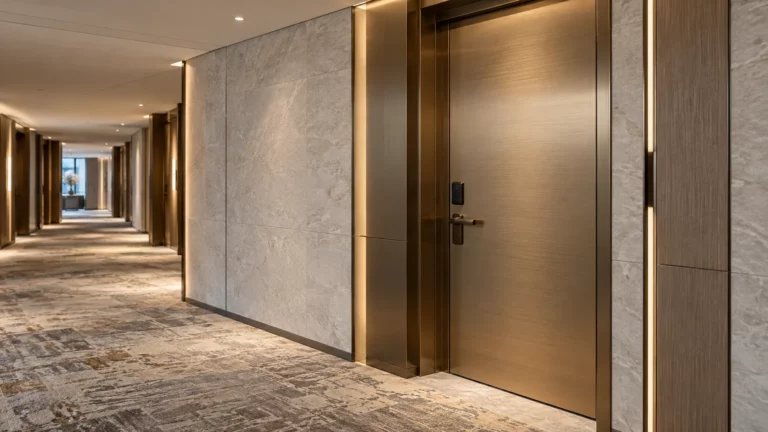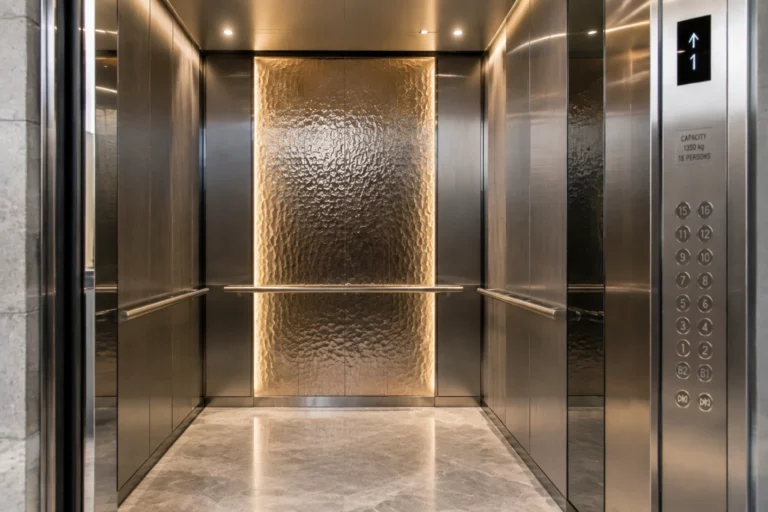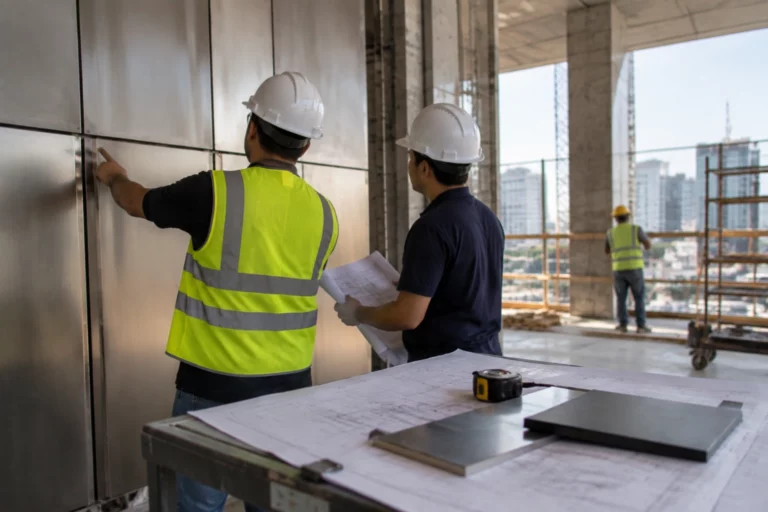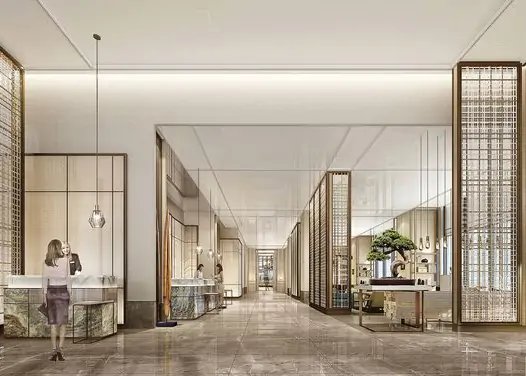


The design of the interior of an elevator cab has moved beyond that of simple vertical transportation. Today the elevator interior forms a compact design space within the architecture of buildings, and it can have a significant impact upon the consumer’s experience of a building as well as creating identity for a building and long-term capital value for the owner of a property. High quality design of the interior of an elevator cab can form part of the total architecture experience of a building, linking individual lobbies, guest floors, commercial floors, residential floors and other public spaces of a building through the use of a consistent design language.
Modern elevator interior design can be a delicate balance of aesthetics, durability, safety and maintenance. With a choice of high quality materials including stainless steel, aluminum, bronze, brass, glass, decorative panels and surfaces engineered for specific performance, it is possible to create impressive interiors. With Brushed finishes, Mirror finish, Custom wall panels, Indirect lighting, Display screens and panels integrated into the cab’s interior trim, the final look and operation can be fine-tuned to create a particular impression.
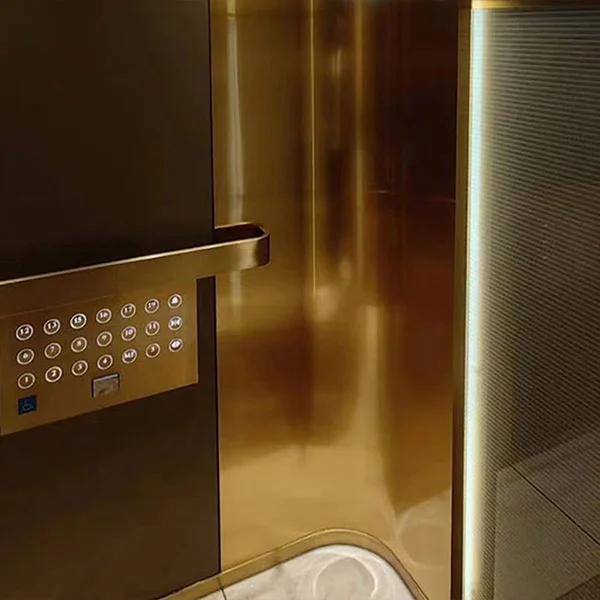
The Art of Elevator Cab Designs in Modern Architecture
Elevator cab design plays an important role in a building’s overall character. In hotels, commercial buildings, luxury apartments, offices, shopping centers, and public spaces, elevator cabs are among the most frequently used interior areas. Their design quality can strongly influence the perceived standard of the whole property.
How Elevator Cab Designs Define Spatial Experience
The elevator is a small enclosed space, so surface, light, texture, and reflection become especially important. Reflective metal panels can make the cabin feel larger and brighter. Matte or textured finishes can create visual comfort and stability. Brushed stainless steel can communicate precision and professionalism, while warm metallic tones can support a more luxurious or hospitality-focused atmosphere.
Good elevator cab design depends on coordination. Wall panels, ceilings, handrails, trims, mirrors, lighting, and flooring should work together. In a narrow vertical space, elegance often comes from controlled material selection, balanced lighting, and carefully finished details.
Integration of Material and Structure in Elevator Cab Panels
Elevator interior panels require both aesthetic appeal and durable functionality. Panels can be made from stainless steel, aluminum composite panels, tempered glass, laminated panels, decorative metal sheets, and other specially engineered finishes to create strong, durable and consistent-looking interiors.
The choice of material too affects the long-term service of an elevator interior. In view of repeated contact, cleaning, luggage impacts, changes in humidity and constant use by large numbers of people, a sufficiently strong surface is necessary in order to prevent dents, scratches, stains and fading. When well-produced panels are mounted on stable backing systems, the elevator cabin will retain its looks for years and remain perfectly square.
Balancing Form and Function in Elevator Decoration
Modern elevator design seeks to balance aesthetic value and practicality. A beautiful looking lift cabin, which is difficult to clean, can lead to increased maintenance problems, while a highly functional cabin with no design merit can detract from the image of the building. Optimal elevator cabs offer a perfect combination of appearance, durability, comfort, lighting and safety.
Important design considerations include:
· Scratch-resistant surface treatment
· Anti-fingerprint finishes
· Fire-safe material selection
· Comfortable lighting levels
· Acoustic improvement
· Durable handrails and trims
· Easy replacement of modular components
· Consistent design with the lobby and corridor
Exploring Elevator Interior Panels and Wall Systems
Elevator interior panels are the largest visual surface within the elevator cab. The color, reflectance, texture, scale and mood of the panels can define and express the minimalism of an office elevator, the luxurious quality of a hotel lift or the individuality of a high quality residential cabin.
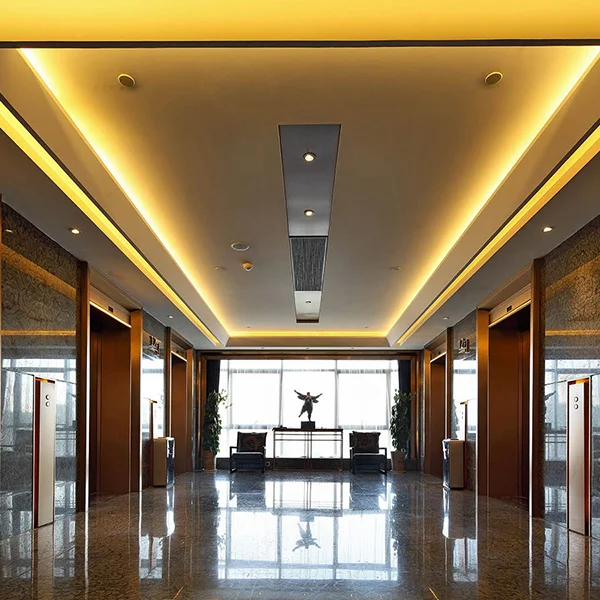
Choosing the Right Elevator Cab Interior Panels
Selecting suitable elevator cab interior panels requires design knowledge and technical evaluation. Brushed stainless steel is widely used in commercial buildings because it offers a clean, professional, and durable appearance. Mirror finishes add depth and make compact spaces feel brighter. Etched, embossed, hammered, bead blasted, and water ripple finishes create stronger decorative expression. Warm metal finishes are suitable for hospitality and luxury projects.
Panel size, joint direction, edge treatment, and installation method also affect the final appearance. Large panels can create a seamless modern look, while smaller modular panels are easier to service and replace. The right choice depends on project positioning, traffic level, design style, and maintenance requirements.
Elevator Wall Panel Replacement Cost Considerations
Elevator wall panel replacement cost depends on material type, finish, thickness, customization level, installation complexity, and project location. A simple stainless steel wall panel may be more cost-effective than a highly customized decorative panel system. However, cost should not be evaluated only by initial price.
Elevator wall panels can be made to last and be cost effective in the long term by minimizing the need for future repairs and replacements. High quality metal wall panels may have a higher first cost but will have superior wear, be easy to clean and have a longer visual life. For the Hotel, Office, Retail and Commercial markets the cost of down time is also a major factor.
Enhancing Functionality Through Elevator Wall and Ceiling Design
Elevator interior walls and ceilings go beyond mere decoration, influencing the levels of illumination, levels of comfort, acoustics and also the ease of maintenance. A reflective finish on the ceiling helps to distribute light throughout the cabin, whilst matte finishes on the walls help to minimize harsh reflection. A perforated or layered panel can be used to achieve the necessary acoustics whilst the integrated lighting can soften the whole atmosphere creating a more premium feeling.
The ceiling of an elevator is an especially important design element as it can serve to combine a number of functions including light, ventilation, access panels and design. Indirect lighting, linear lighting, geometric panels and metal framing are a number of design elements that can create a modern and comfortable space in a very small area.
Innovative Elevator Cab Design Ideas for Contemporary Spaces
Modern elevator interiors are created using minimalism, sustainability, personalization and smart technologies. Current design trends include clean lines, high quality durable materials and finishes as well as a stronger architectural identity.
Minimalist and Modern Elevator Design Concepts
The minimalist interior of an elevator is reduced to clarity. Simple wall panels, trims, light fixtures and metal finishings create a cool and modern interior. Brushed metal, satin metal, mirror metal and even panels with a subtle texture provide depth while keeping the decoration to a minimum.
Minimalism is all about detail, particularly with regards to precision, proportion and quality of materials. A simple stainless steel wall panel, for example, can become a very high end feature when finished to the correct standard, including perfecting the joints, incorporating relevant lighting and detailing of the handrail.
Sustainable and Eco Friendly Elevator Decoration Approaches
Sustainability is playing an increasingly important role in elevator interior design. Materials with a high service life, recyclable metals, modular panel constructions, energy efficient lighting as well as finishes with long service life guarantee sustainable building. A good example of sustainable design with elevators are metal panels. They are strong, can be recycled and have a long lifecycle.
Efficient LED lighting reduces energy usage and makes for a pleasant trip for passengers. Modular elevator cab panels make it easy to replace individual components, minimize waste and enable a longer lifetime for the elevator’s interior system.
Custom and Artistic Elevator Cab Design Ideas
An Exclusive Customized Interior for Your Elevators – Express the Identity of Your Building. Such customized designs and embellishments can provide your typical elevators with unique interiors and create long lasting impressions and recollections for people traveling with them. We offer, for example, laser cut metal panels, etched designs, decorative stainless steel sheets, artistic wall cladding, digital displays and also customized ceiling designs.
Even artistic design of elevator surfaces needs to be functional. If they are decorated then the surfaces must be durable, easy to clean and be suitable for use on a daily basis. Design of a custom elevator interior is a combination of design and engineering.
FAQ
What materials are commonly used in modern elevator cab designs?
Materials include stainless steel, aluminum, bronze, brass, glass, laminated panels and more. This list also includes decorative metal sheets and engineered composite panels.
How can elevator cab design improve passenger experience?
Elevator cab design provides improved passenger experience through better lighting, durable surfaces for manual operation, enhanced space perception, better sound, cleaner surfaces and consistent appearance with interior of building.
Why are metal panels suitable for elevator interiors?
Metal panels are a durable, low-maintenance material that can be designed to meet individual project requirements, will have a long service life and withstand everyday wear and tear.
Inoxfurt Metal is a global manufacturer of stainless steel decorative materials and of custom-made metal products for use in interior and exterior architectural applications. As a B2B manufacturer and supplier of elevator cab interiors, Inoxfurt Metal serves architects, general contractors, property developers, specifiers, designers, building owners, and project managers. Products include stainless steel wall coverings for elevator interiors, custom elevator cab interiors and exterior decorative metal sheets and panels. A wide selection of advanced finishes, system products and engineering assistance to fit individual project requirements are also available from Inoxfurt Metal. Contact us today for assistance with planning custom interior designs for your next architectural project.