

Metal interior design has become a key part of modern buildings. It combines luxury, strength, and flexibility. Designers use interior metal design in hotels, office buildings, shops, and transport centers. They create strong and nice-looking spaces that show style and power.
Stainless steel decorative materials and custom metal products play an important role. They change normal rooms into special ones. Metals come with different finishes like brushed, mirror-polished, or PVD-coated surfaces. These give good looks and lasting results in busy commercial projects around the world.
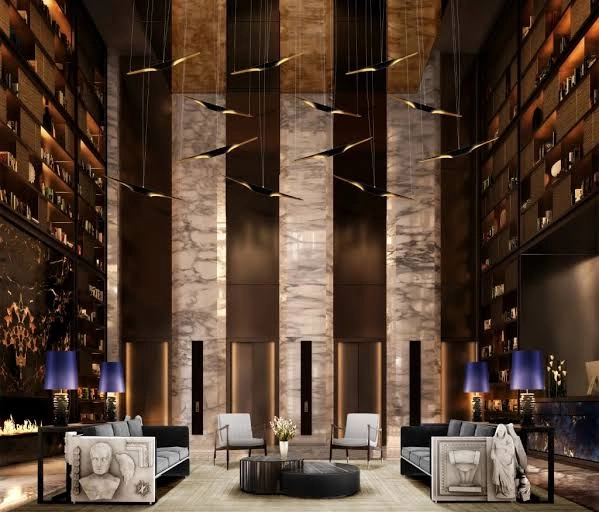
Why Metals Are Used in Interior Design
Metal is one of the most flexible materials in design. It looks smooth but is tough. It feels both old and new. This makes it a good choice for business spaces where looks and strength both count.
Durability and Performance
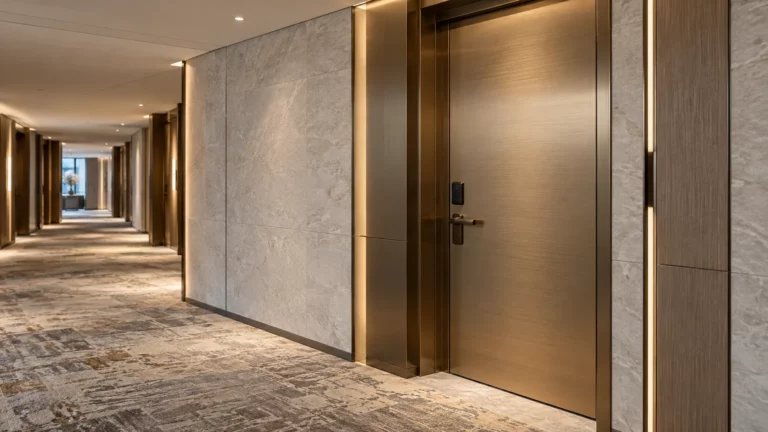
Metals give good long life and solid build. They handle busy places like lobbies, hallways, elevator areas, and public spots well. They resist rust, damage, and everyday wear. This helps commercial areas stay clean and nice for many years of heavy use. Stainless steel grades like 304 and 316, along with properly treated aluminum and bronze, give natural strength. This works for both decorative and load-bearing uses.
In places where clean conditions and easy care matter most, metal surfaces work very well. They stop stains and bacteria growth when finished right. They need less care than other materials. New treatments like anti-fingerprint coatings add more practical value. They keep the wanted look at the same time.
Aesthetic Versatility
Polished, brushed, hammered, or PVD-coated metal finishes add light, shine, and difference to rooms. Designers add metals to give more shape and style. They balance warm and rough surfaces with other materials like wood, stone, or glass. Warm colors from brass and bronze go well with the cool, shiny sides of stainless steel. This creates different layers of looks.
Customization choices increase this flexibility a lot. Laser-cut patterns, etched designs, three-dimensional forming, and color-infused PVD coatings let architects make special ideas real. Mirror finishes make natural and electric light stronger. This makes rooms seem bigger and brighter. Matte or brushed textures add soft touch and feel.
Common Metals Used in Interior Design
High-quality metals serve both decorative and functional purposes in metal interior design. Manufacturers specializing in architectural applications work with premium alloys to meet exact project specifications.
Brass
Brass brings a warm golden color. It improves luxury places like hotels, theaters, and high-end shops. People often pick it for trim, fixtures, railings, and small details. Over time, brass gets a nice patina that adds interest. Protective coatings can keep the first look if wanted. Its softness helps with detailed work and custom making.
Bronze
Bronze gives a rich and lasting feel to interior metal design. Designers pick it for building details, wall panels, doors, and special parts. They like its quiet style and strong build. The material’s natural weight and depth give a feeling of lasting quality. This fits well in top commercial places.
Stainless Steel
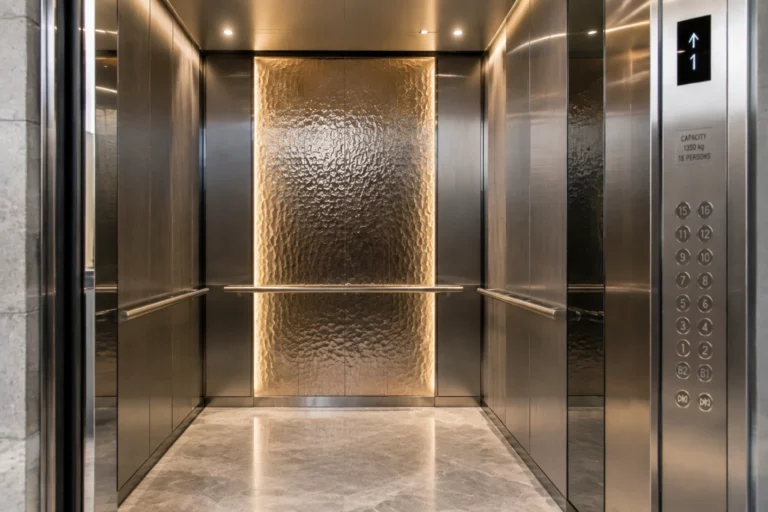
Stainless steel stays a main choice for smooth, current commercial interiors. Its shiny surface improves light. Strong resistance to rust makes it right for elevators, escalators, wall cladding, and busy spots. It comes in many grades and finishes. These range from satin and brushed to mirror 8K polish and colored PVD options. Stainless steel meets different design needs. It gives top results.
Aluminum
Aluminum is light but strong. It gives design choices for big wall systems, ceiling panels, decorative trim, and composite panel systems. Its lower weight cuts building loads. This helps with large setups. Anodizing and other surface treatments increase color and texture choices. They allow smooth fit with wider building styles.
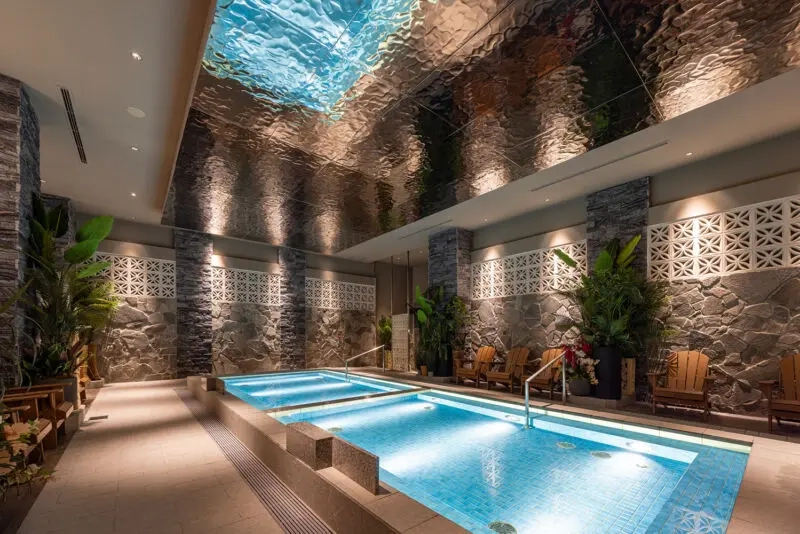
Applications of Metal in Commercial Interiors
Metals show up in many commercial interiors. They create high-end, strong design parts that work well in looks and use.
Elevators and Escalators
Polished, brushed, and custom-finished metals are important for elevator and escalator insides. Stainless steel panels, doors, and cab linings mix looks with protection against daily use. Mirror finishes make big space effects. Durable brushed surfaces hide marks well. Custom metalwork makes sure everything matches the full building design.
Lobby and Reception Areas
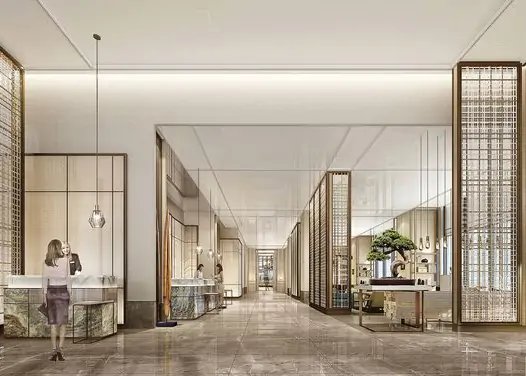
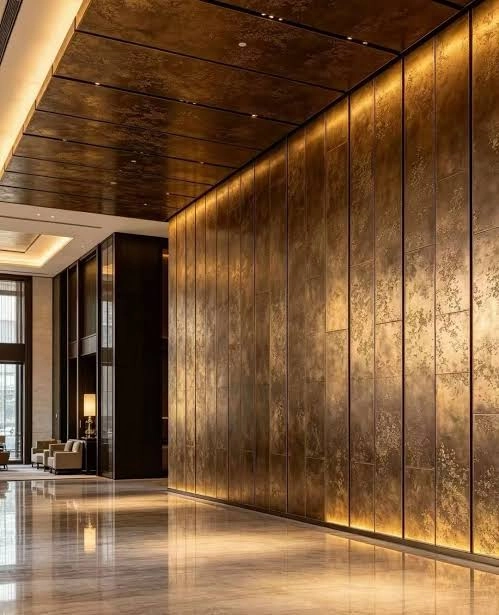
Wall cladding, columns, feature walls, and trim in lobbies and reception areas often use brass, bronze, stainless steel, and aluminum. These parts show a professional and rich feeling. They make good first views for guests. Large panels with smooth joins, backlit parts, and built-in lights change entrance areas into special building statements.
Fixtures, Furniture, and Decorative Elements
Metal interior design reaches to lighting fixtures, signage, handrails, partitions, mirror frames, furniture accents, and sculptural installations. Laser-hollowed partitions, custom doors, decorative profiles, and integrated systems show the material’s ability for shape and use. These uses let designers keep material flow through a project. They add special focus points too.
Mixing Metals in Commercial Interior Design
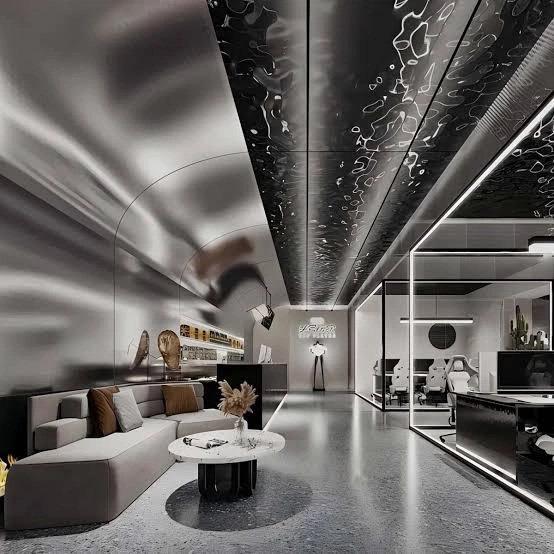
Mixing metals has become one of the most useful trends in interior metal design. It puts warm and cool colors together. This creates balance and interest in business spaces.
Techniques for Mixing Metals
Designers get good mixes with careful difference and unity. They pair brass or bronze with stainless steel or aluminum. This gives lively looks without too much in the space. Keeping the same finishes, like all brushed or all satin, helps the full look stay together. They use one metal as the main structure or base finish. Another metal works as special accents. This points out important building parts well.
Careful thought about sizes and positions stops messy looks. Bigger surfaces often use neutral or main metals. Smaller details add warmer or shinier accents. This way adds interest and layers. It shows good craft and planned design.
Other thoughts include how different metals work with light during the day. Natural daylight and electric lights change looks in different ways. So testing samples in real conditions makes sure the wanted result stays through all hours.
Sustainability factors also affect material choice. Many metals, particularly stainless steel and aluminum, give good recycling and long use time. They support green building certifications. They cut environmental effect over the project time.
FAQ
What are the main benefits of metal interior design in commercial spaces?
Metal interior design provides exceptional durability, low maintenance, and timeless aesthetic appeal. Metals withstand high traffic while offering versatile finishes that enhance lighting and spatial perception.
How can different metals be combined successfully?
Successful mixing relies on balancing warm and cool tones, consistent sheens, and proportional use. Primary surfaces typically feature one dominant metal, with accents introducing complementary tones and textures.
Are metal finishes suitable for hospitality projects?
Yes. Hotels and luxury hospitality venues extensively use custom stainless steel, bronze, brass, and aluminum elements for lobbies, guest rooms, restaurants, and public areas. Advanced PVD coatings and protective treatments ensure lasting beauty in demanding environments.
What customization options exist for architectural metal products?
Options include custom sizes, patterns, laser cutting, etching, forming, PVD color coatings, hammered textures, anti-fingerprint treatments, and integration with composite systems. Full-service manufacturers can realize highly specific design visions from initial concept through final installation.
Partner with a Trusted Manufacturer for Your Next Metal Interior Project
Inoxfurt Metal stands ready as a global manufacturer specializing in stainless steel decorative materials and custom metal products for architectural interiors and exteriors. With comprehensive in-house capabilities spanning design consultation, engineering, precision fabrication, advanced surface treatments including PVD coating, and rigorous quality control, the company delivers end-to-end solutions for demanding commercial, hospitality, and large-scale architectural projects. Manufacturers and suppliers seeking reliable partners for high-end metalwork benefit from Inoxfurt Metal’s extensive project experience, production capacity, and commitment to turning architectural visions into reality with precision and efficiency. Reach out to discuss project requirements and explore tailored metal solutions that elevate commercial spaces.