

Introduction
Copper has seen wide use in architecture, construction, and decorative applications for many centuries. People choose it for its mechanical strength, workability, and very special surface changes over time. One of its most striking features is the natural formation of patina. This change alters its look in big ways while also making it last longer in outdoor settings.
Unlike materials with fixed finishes that stay the same for their whole life, copper keeps reacting with the world around it. This reaction creates a surface that keeps changing in sight and chemistry. As architectural design now puts more value on materials with real depth, true character, and lasting good looks, copper patina stays an important example of timeless material expression.
The Natural Charm of Copper Patina
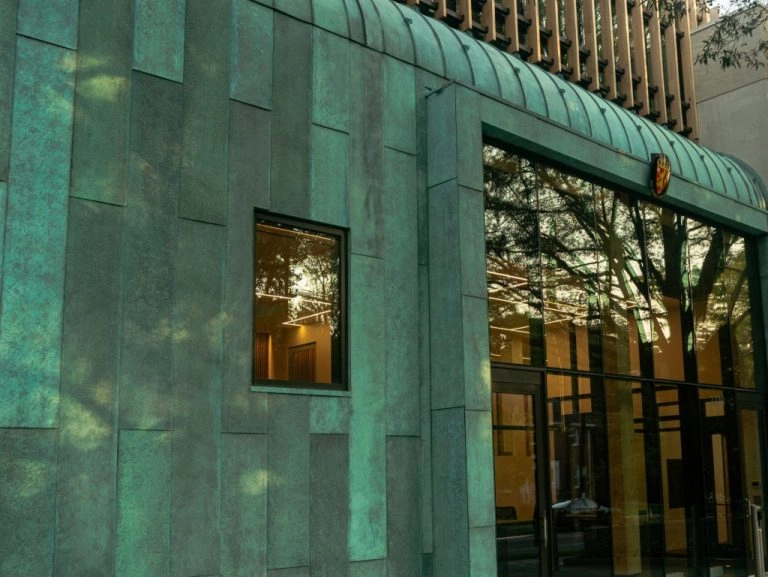
Copper patina forms as a natural surface change. It happens when copper reacts with oxygen, moisture, and elements in the air over time. The process slowly moves the metal from a bright metallic color to deeper browns, then darker shades, and finally greenish-blue tones after long exposure.
Builders and designers value this change in architectural work. It brings a lively and shifting surface quality. Copper surfaces do not stay fixed in appearance. They develop their own patterns that show the local conditions like humidity, air quality, and how much sun or rain they get. The outcome is a material that feels natural and full of expression.
Besides its nice appearance, copper patina also gives useful benefits. The new layer works as a natural shield. It cuts down further damage to the metal underneath. So the aging process does not mean the material is getting worse. It actually strengthens durability and improves the look at the same time.
Understanding the Formation of Copper Patina
The growth of copper patina is a step-by-step chemical process. Time, the air, and surrounding conditions all affect it. The change does not happen right away. It moves forward slowly through oxidation reactions and new compound creation. These steps build a steady and interesting surface layer.
Natural Mill Finish
In the first stage, copper shows a bright reddish-orange metallic surface. It reflects light well and looks quite polished. Once it meets air, oxygen starts to react with the surface almost at once. This starts the initial oxidation and gets the metal ready for more changes.
Early Oxidation Stage
In this phase, copper creates copper oxides. These make the surface turn darker into brown and black colors. This stage matters because it shifts the metal from a reactive surface to one that is partly stable. The surface loses some of its shine while it gains more depth and visual strength.
Development of Patina Layer
With ongoing contact to moisture, carbon dioxide, and pollutants in the air, copper starts to form copper carbonates and similar compounds. These reactions cause the famous green and turquoise colors linked to old copper surfaces. The layer grows more stable and better at resisting damage from the environment.
Role of Environment
Conditions in the surroundings have a big effect on how fast and how the patina looks when it forms. Air near the coast, industrial areas, and places with high humidity usually speed up the process. Dry areas inland slow it down a lot. This difference leads to very individual surface results for each place.
Functional Patina Protection
Once the patina layer is fully grown, it acts like a guard. It reduces extra oxidation of the metal below it. This natural cover improves long-term strength while keeping the rich visual quality. In this way, copper serves as both a protective material and an expressive surface for architecture.
The Art of Aging: Why Patina Makes Copper Unique
Copper patina is more than just a chemical change. It is also a design feature that improves how architecture looks and feels. Its changing surface gives a feeling of time, memory, and real material character. Artificial finishes cannot copy this effect.
Unique Color Evolution
The way copper changes color stands out as one of its main traits. It moves from bright metallic shades to warm earthy browns and then to greenish-blue tones. Each step shows a different reaction with the environment. This makes every installation look one of a kind and hard to copy exactly.
Texture and Surface Depth
As patina grows, it changes in small ways how light hits the surface. The metal no longer gives a flat reflection. It gains layers of depth and gentle shifts in color. This creates rich visual interest that improves architectural details and the overall material feel under natural or artificial light.
Symbol of Timelessness
Old copper often links to ideas of permanence, heritage, and architectural quality. Its slow change across many years stands for continuity and strength. That is why it is a favorite choice in important buildings and structures where long life is a main design goal.
Design Flexibility
Copper patina can develop on its own or through planned processes. This gives designers options to reach certain visual goals for a project. They can do this while keeping the material’s true nature and strong performance over time.
Copper Patina in Modern Architecture and Design
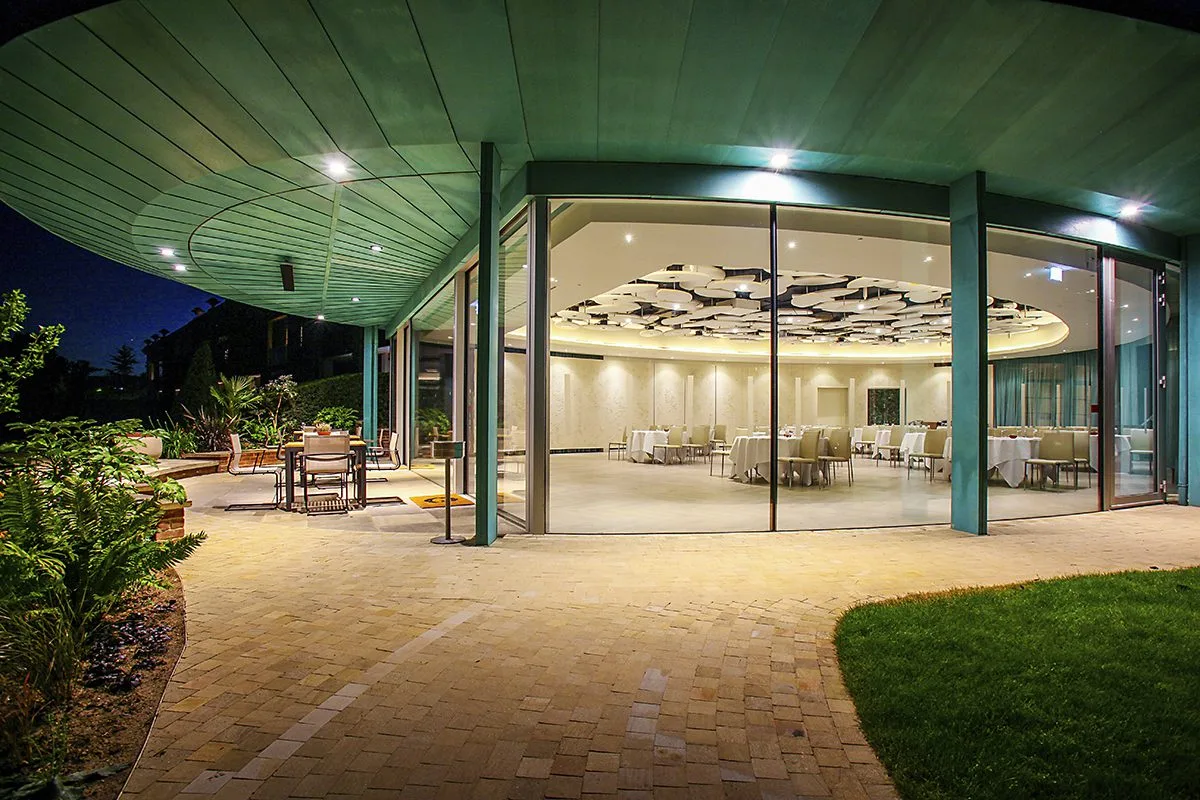
In today’s architectural work, copper patina helps balance unique visual identity with solid structural performance. It offers designers a material that changes gradually while it keeps its protective and useful qualities in many different uses.
Facades and Cladding
Copper cladding systems often go on the outside of buildings when a long-term visual change is wanted. As patina forms, the facades gain character and depth. The buildings blend better with their setting while they still hold a clear architectural look.
Roofing Applications
Copper roofing systems gain a lot from patina formation. The protective layer improves resistance to weather and outdoor conditions. Over time, the roofs build a steady surface that lowers the need for upkeep and keeps the structure sound.
Interior Design Elements
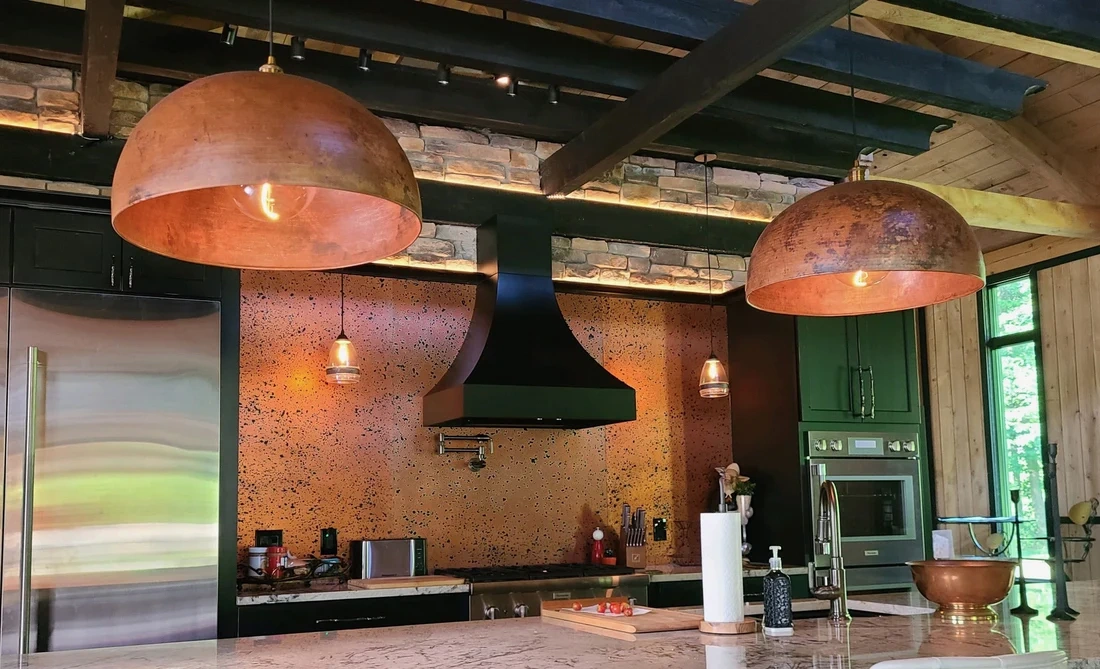
Inside buildings, copper patina appears in feature walls, decorative panels, and artistic setups. These surfaces add warmth and material contrast. They help create a polished space that mixes industrial feel with artistic quality.
Highlighting Architectural Details
Architectural accents like trims, joints, and framing elements often use patinated copper. This choice emphasizes structure and depth. The details define spatial order and add visual interest without taking over the full architectural design.
Preserving and Enhancing Copper Patina
Natural Aging
Letting copper age on its own leads to the most genuine patina development. This method depends fully on interaction with the environment. It lets the material change in a natural way over time while it holds its structural and protective qualities.
Accelerated Patination
In certain architectural projects, controlled chemical treatments help create the look of aged copper in less time. This approach delivers more uniform visual results quickly. It still keeps the material’s natural character and future behavior.
Protective Coatings
Some coatings, such as waxes or clear sealants, may go on the surface. They help hold certain stages of patina steady. These treatments protect the wanted color tones while they allow gentle natural changes under the top layer.
Frequently Asked Questions (FAQ)
What is copper patina?
Copper patina is a naturally formed surface layer. It develops when copper reacts with oxygen, moisture, and environmental elements over time. The result is a color change and the creation of a protective surface.
Is copper patina a form of corrosion?
Copper patina is a controlled oxidation process. It builds a stable protective layer rather than harmful corrosion. It helps guard the metal underneath from more environmental damage.
Architectural Metal Manufacturer for Stainless Steel Decorative Solutions
Inoxfurt Metal is a global manufacturer specializing in stainless steel decorative materials and custom metal products for architectural interiors and exteriors. The company focuses on advanced surface finishing technologies, precision fabrication, and project-based customization solutions designed to meet the evolving needs of architectural and construction industries.
Its product portfolio includes decorative stainless steel panels, engineered surface finishes, and customized architectural metal components widely applied in facades, interior design systems, and large-scale building projects. Through integrated production capabilities and material expertise, Inoxfurt Metal supports architects, designers, and contractors in achieving consistent visual performance and structural reliability across diverse applications.