

Elevator cab design has changed from a basic need to a main part of building style. In new structures, the elevator inside space is usually the first closed area people enter. Thus, it plays a big role in forming views on comfort and brand worth. Today’s styles stress minimalism, material innovation, lighting integration, and user-centered design. At the same time, old styles are slowly giving way to simpler, stronger, and more lively options.
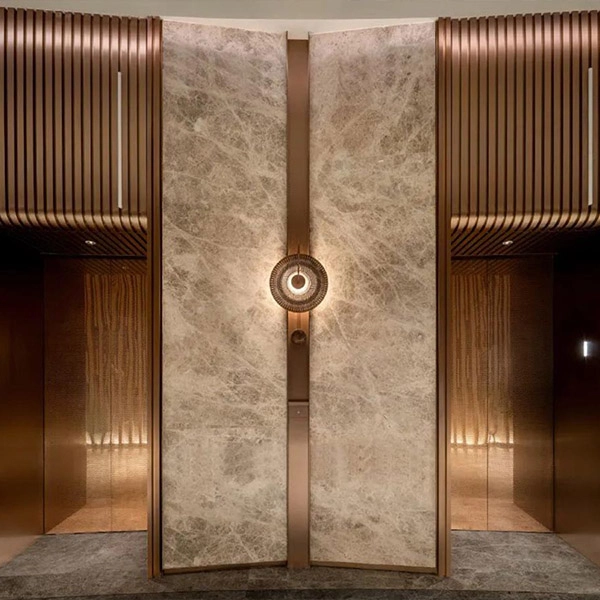
Current Design Trends (What’s In)
Today’s elevator cab design comes from a mix of looks and function. Designers see elevator insides as parts of the building design. They do not view them as separate machine areas.
Elevator Wall Panels: A Canvas for Material Expression
Elevator wall panels are not just basic covers anymore. They now act as key design features. These features set the look of a space.
Key trends include:
Minimalist and Seamless Geometry
Straight lines, less mess in sight, and even surfaces lead in current cab insides. The main goal is a quiet, smooth design style. This style fits with the building’s overall look.
Natural and Premium Materials
Stainless steel, wood patterns, stone looks, and mixed panels see wide use. They bring a cozy and classy feel. Stainless steel stays very common. Its strength and fresh style make it popular.
Artistic and Custom Expressions
Wall areas now serve for brand marks or art shows more often. This turns elevator spaces into planned inside setups. They are not just plain work boxes.
Elevator Ceiling Panels: Lighting as a Design Element
Ceiling setup has grown into a main factor for mood and space feel.
LED Integrated Lighting
LED setups offer changing light effects. They let users adjust brightness and color warmth. This boosts looks and rider ease.
Mirrored and Reflective Surfaces
Shiny ceilings make space seem bigger. This works well in small cabs. It adds a sense of openness and high-end feel.
Textured and Layered Finishes
Three-D ceiling patterns and stacked materials give layers. They make elevator insides more interesting to see. Yet, they do not crowd the area.
Elevator Door Panels: A Strong First Impression
Door setup is usually the clearest part in elevator building work. It forms ideas before people step in.
Frameless and Minimal Designs
Doors without frames gain more favor. Their plain look blends smoothly with nearby building parts.
Integrated Smart Technology
Touch screens, digital shows, and smart controls become normal. They raise ease of use and fresh style.
Material Harmony Across Surfaces
Door covers match wall and ceiling materials. This creates a full look across the whole cab inside.
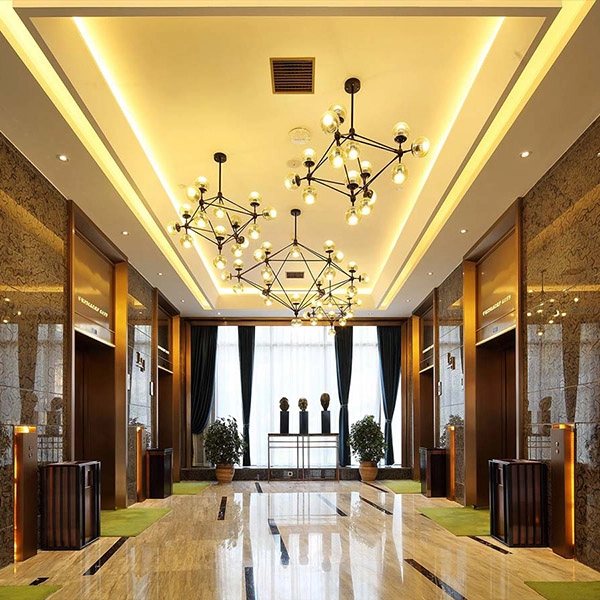
Material Trends Shaping Elevator Cab Interiors
Picking materials has turned into one of the top choices in today’s elevator insides.
Stainless Steel as a Core Material
Stainless steel forms the base of most new elevator setups. It mixes strength, clean upkeep, and style range well. It holds finishes from rough rubs to shiny polishes. This gives room for different design styles.
Mixed-Material Compositions
A rising style mixes different materials. Examples include:
- Warm wood + cool metal
- Glass + stainless steel
- Stone textures + brushed finishes
This mix adds layers. It stops insides from seeming too factory-like or too fancy.
Textured Metal Finishes
Smooth stainless steel is not the only choice now. Rough and aimed finishes grow in use. They cut down finger marks. At the same time, they add touch and sight appeal to areas people touch often.
Design Philosophy: User Experience First
Today’s elevator design follows human needs more than just build limits.
Comfort and Spatial Perception
Designers work to cut down closed-in feelings through:
- Wider visual planes
- Soft geometry
- Balanced lighting distribution
This makes quick elevator trips feel easier as moves between areas.
Accessibility and Functionality
Design for all people is now a basic rule. Elevator insides get setups with:
- Improved visibility of controls
- Clear signage systems
- Enhanced spatial accessibility for mobility devices
Integration with Architecture
Elevators do not stand alone anymore. Designers make them parts of the building style. This keeps flow from the entrance hall to higher levels.
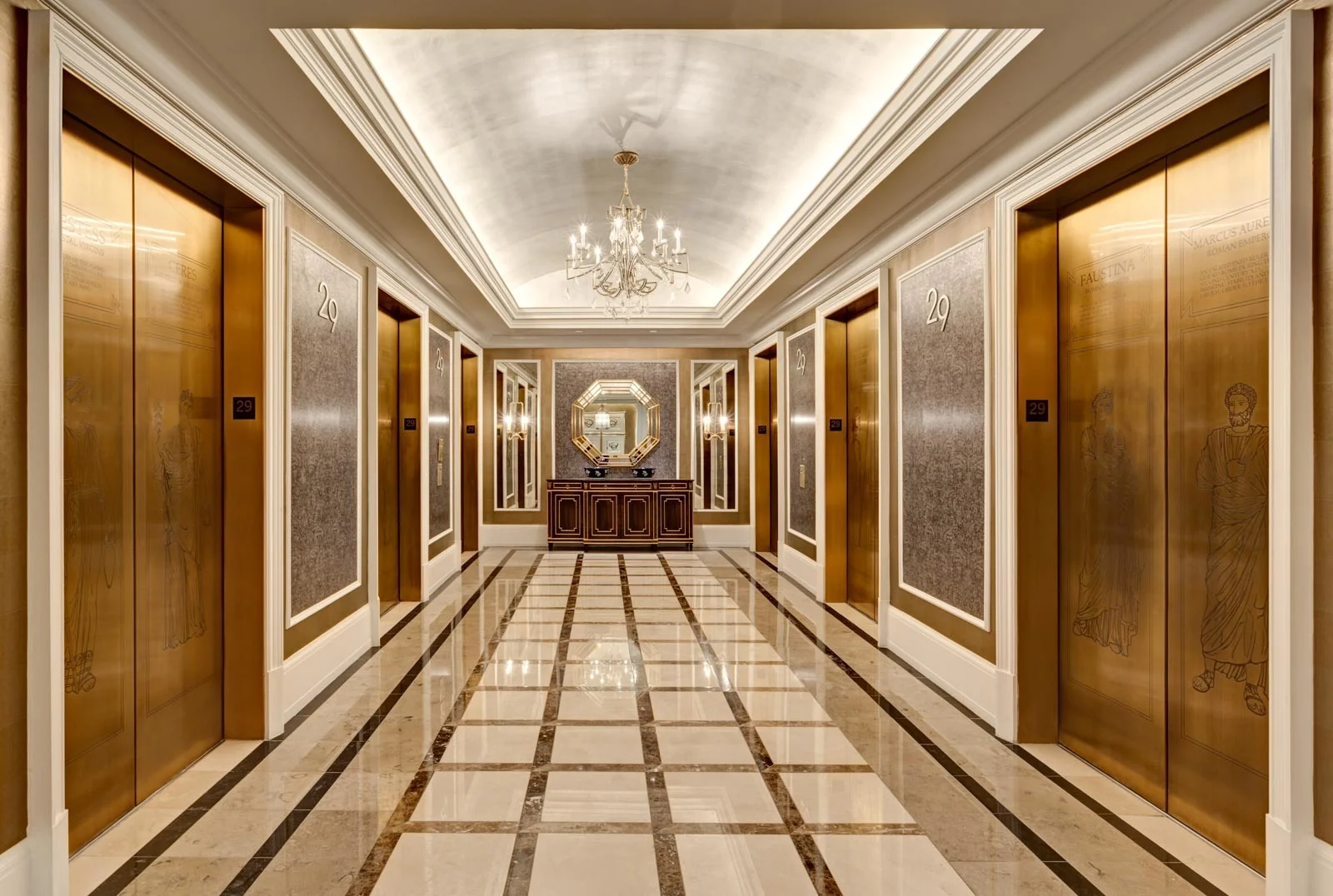
Past Trends That Are Phasing Out (What’s Out)
As style goals change, some old ways see less use.
Heavy Ornamentation and Complex Paneling
Fancy panels, too much trim, and busy insides give way to plain, even-panel setups. These new ones feel fresher and more restful.
Outdated Color and Material Schemes
Plain, same-color sets and fake-like finishes lose ground. Fuller, more real colors and mixed materials take their place.
Cramped Interior Layouts
Old elevator spaces put machine needs over rider ease. New designs stress open space and better move flow.
Traditional Button-Only Interfaces
Basic button setups fade out slowly. Touch-free controls and digital screens replace them. This raises use ease and clean standards.
The Role of Elevators in Modern Architecture
Elevator spaces now act as feel-based areas, not just pass-through boxes. They shape how people see building quality, style match, and overall plan. As a result, more focus goes to links between elevator insides and nearby settings.
This change shows a wider move in building work. Every contact point in a structure now adds to the full story of style and feel.
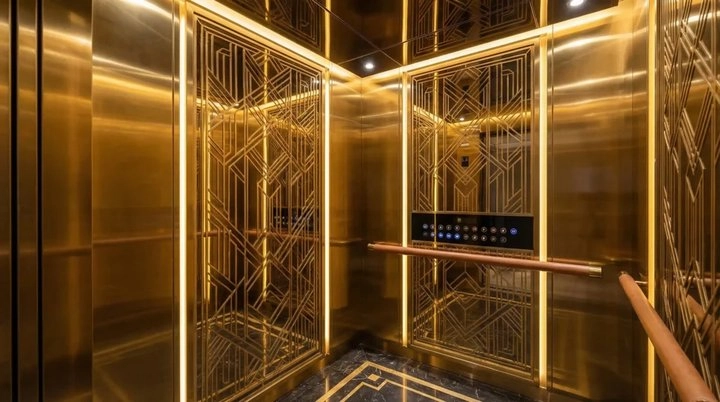
FAQ: Elevator Cab Design Trends
1. Why is elevator cab design becoming more important in modern buildings?
Elevator insides are often the first closed space people enter. Thus, they matter a lot for forming views on quality, ease, and building style.
2. What materials are most commonly used in modern elevator interiors?
Stainless steel, natural wood finishes, stone textures, glass, and composite decorative panels see common use. They offer strength and style range.
3. Why is stainless steel widely used in elevator cabins?
Stainless steel lasts long, fights rust, cleans easily, and fits many finishes like rough, shiny, or rough ones.
4. What design trends are replacing traditional elevator interiors?
Plain setups, even wall panels, built-in lights, and smart controls take over from fancy and old machine styles.
5. How does lighting affect elevator cab design?
Lighting boosts space feel, raises rider ease, and fits new style aims. It does this through LED links and stacked light methods.
Stainless Steel Elevator Manufacturer & Supplier for Architectural Projects
In today’s building work, elevator insides need more than basic making. They call for exact-planned decor fixes that match top building looks, strength rules, and custom wants.
Inoxfurt Metal is a global manufacturer specializing in stainless steel decorative materials and custom metal products for architectural interiors and exteriors. With expertise in elevator cabin decoration systems, stainless steel wall cladding, and tailored metal fabrication, the company supports developers, contractors, and designers in creating visually consistent and technically reliable elevator environments.
As a supplier focused on architectural-grade metal solutions, Inoxfurt Metal provides customizable elevator interior systems designed to meet the evolving demands of commercial buildings, hospitality projects, and luxury residential developments.